Packing your backpack might seem simple, but doing it the right way can make all the difference on your trip. Have you ever struggled with a heavy, unbalanced bag that hurts your back or makes finding things a hassle?
You’re not alone. Learning how to pack your backpack smartly will save you time, keep you comfortable, and help you enjoy every moment of your adventure. Keep reading, and you’ll discover easy tips that anyone can use to pack like a pro.
Your next trip will feel lighter and more organized than ever before.
Choosing The Right Backpack
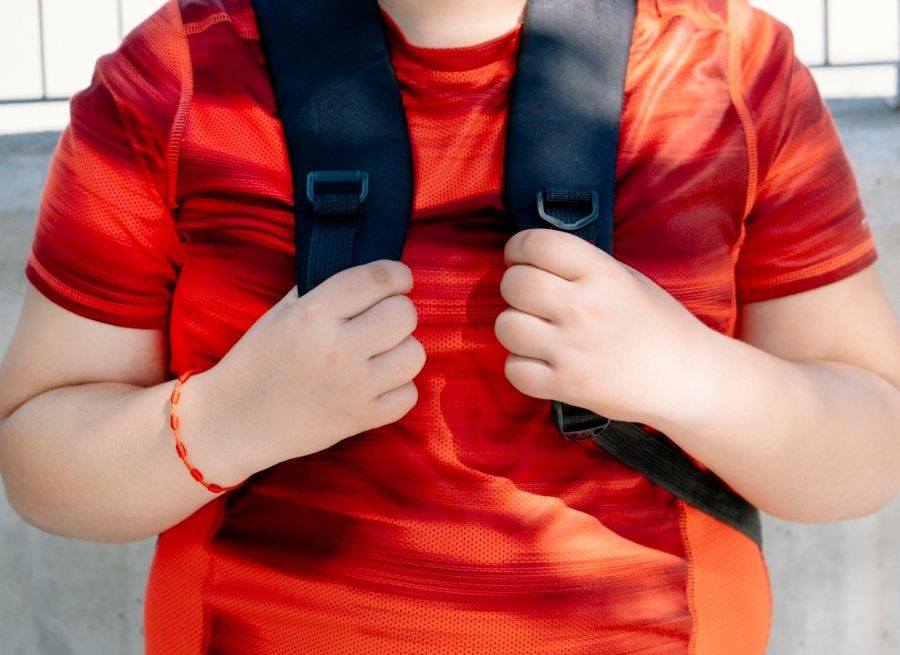
Packing a backpack well starts with choosing the right one. A good backpack fits your needs and stays comfortable.
Look at size, material, and comfort before buying. These parts help your backpack work better for you.
Size And Capacity
Pick a backpack size that fits your trip length and gear. Too big means extra weight. Too small means no space.
Check the capacity in liters. Day trips need 15 to 30 liters. Longer trips need 40 liters or more.
- 15-30 liters for short trips
- 30-50 liters for overnight trips
- 50+ liters for multi-day trips
Material And Durability
Strong materials keep your backpack safe from tears and rain. Look for water-resistant fabric like nylon or polyester.
Check the quality of zippers and seams. They last longer and protect your things better.
- Nylon is light and strong
- Polyester resists water well
- Check for reinforced seams
- YKK zippers are reliable
Comfort And Support
A backpack with good support feels better on your back. Look for padded shoulder straps and a waist belt.
Adjustable straps help fit the backpack to your body. A ventilated back panel reduces sweat and heat.
- Padded, adjustable shoulder straps
- Waist or hip belt for extra support
- Breathable back panel
- Chest strap to keep straps stable
Essential Packing Techniques
Packing a backpack efficiently can make your travel experience smoother. Using the right techniques saves space and keeps your items organized.
Let’s explore some effective methods to pack your backpack so you can carry everything you need without the extra bulk.
Rolling Vs Folding Clothes
Deciding whether to roll or fold your clothes can make a big difference in space. Rolling clothes often helps reduce wrinkles and saves room.
- Rolling is best for t-shirts, jeans, and casual wear
- Folding is ideal for formal shirts and pants
- Combine both methods for optimal space management
Using Packing Cubes
Packing cubes are a great way to organize your items. They help separate clothing, toiletries, and gadgets.
Packing cubes come in various sizes. Choose ones that fit your backpack dimensions. Clear cubes make finding items easier.
Maximizing Space
To maximize space, pack heavier items at the bottom. Fill gaps with small items like socks or underwear.
| Item | Placement |
| Heavier items | Bottom of the backpack |
| Medium weight items | Middle section |
| Light items | Top or side pockets |
Organizing Gear And Accessories
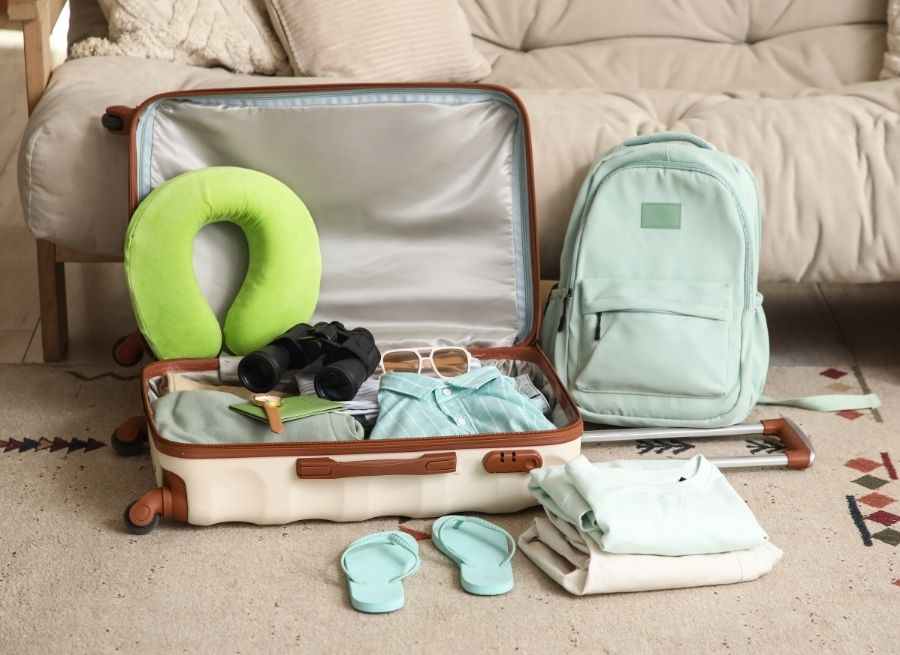
Packing a backpack well helps keep your gear safe and easy to find. Organizing your items makes your trip smoother and more comfortable.
Use smart methods to separate and protect your gear. This way, you save space and avoid damage.
Separating Essentials
Keep your essentials separated by category or use. This helps you find them fast and avoids mixing items that should stay apart.
- Group clothes, toiletries, and electronics separately.
- Use packing cubes or small bags for each category.
- Label bags if needed to spot items quickly.
- Place heavier items at the bottom for balance.
Protecting Fragile Items
Fragile gear needs extra care to avoid breaks or scratches. Use padding and smart placement to keep these items safe inside your backpack.
| Fragile Item | Protection Method | Packing Tip |
| Camera | Wrap in soft cloth or padded case | Place in center of backpack, away from edges |
| Glasses | Use hard case or thick fabric wrap | Store in a top compartment for easy access |
| Electronics | Use padded sleeves or bubble wrap | Keep near clothing for extra cushioning |
Easy Access To Frequently Used Items
Place items you use often where you can reach them quickly. This saves time and effort during your trip.
- Keep your water bottle in side pockets.
- Store snacks in outer compartments.
- Put your map or guidebook near the top.
- Place your phone and keys in small front pockets.
Weight Distribution Tips
Packing your backpack correctly helps you carry weight easily. Good weight distribution prevents pain and fatigue.
Use these tips to pack your backpack for comfort and safety on your trips.
Balancing Heavy Items
Place heavy items close to your back and near the center. This keeps your balance and lowers strain.
- Put heavy gear like water and food in the middle of the pack.
- Keep the weight centered between your shoulders and hips.
- Distribute medium weight items around heavy ones.
- Light items go at the top and outside pockets.
Adjusting Straps For Comfort
Adjusting the straps helps the pack fit your body shape and size. It improves support and stops shifting.
| Strap | Adjustment Tip |
| Shoulder Straps | Tighten to keep pack close to your back |
| Hip Belt | Snug around hips to take weight off shoulders |
| Load Lifters | Tilt pack forward for better balance |
| Chest Strap | Keep snug to stabilize shoulder straps |
Minimizing Strain On Your Back
Use these tips to reduce back pain while carrying your backpack.
- Keep your back straight and avoid leaning forward.
- Use both shoulder straps to balance weight evenly.
- Take breaks and remove your pack when resting.
- Do light exercises to strengthen your back muscles.
Frequently Asked Questions
How Do I Choose The Right Backpack Size?
Pick a backpack that fits your trip length and body size. It should feel comfortable and hold all essentials.
What Items Should I Pack First In My Backpack?
Start with heavy items like food and water near your back. This keeps balance and comfort while walking.
How Can I Save Space When Packing A Backpack?
Roll clothes tightly and use packing cubes. Fill small gaps with socks or other soft items.
How Do I Keep My Backpack Organized On The Trail?
Use compartments and pouches. Keep frequently used items like maps and snacks easy to reach.
What Is The Best Way To Protect Gear In A Backpack?
Use waterproof bags or liners. Wrap fragile items in clothes for extra cushioning.
Conclusion
Packing a backpack well saves space and keeps things organized. Place heavy items close to your back for balance. Use small bags to separate clothes and gear. Roll clothes to avoid wrinkles and fit more. Keep essentials easy to reach for quick access.
Check your pack before leaving to avoid forgetting items. With practice, packing becomes faster and less stressful. Enjoy your trip with a light, well-packed backpack. Simple steps make a big difference in your travel comfort.