Last Updated on August 2, 2026
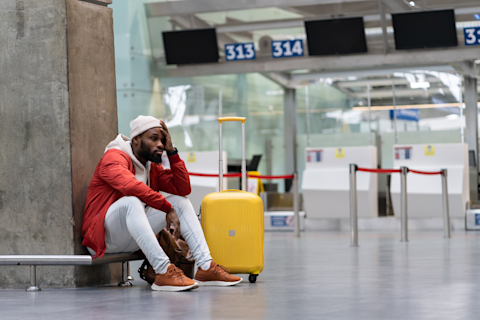
You’ve just landed after a long flight, but instead of feeling excited, your body feels tired and out of sync. Jet lag can turn your travel plans upside down, leaving you restless, foggy, and unable to enjoy your trip.
But what if you could beat jet lag like a pro and bounce back faster? You’ll discover simple, practical tips that help your body adjust quickly. Keep reading, and you’ll learn how to take control of your travel fatigue so you can feel refreshed and ready from the moment you arrive.
Credit: medium.com
Prepare Before You Fly
Getting ready before your flight can make a huge difference in how you handle jet lag. Small changes in your routine help your body adjust faster to the new time zone. Preparing well means less fatigue and more energy to enjoy your trip right from the start.
Adjust Your Sleep Schedule
Start shifting your sleep time a few days before you fly. If you’re traveling east, try going to bed an hour earlier each night. Heading west? Stay up later gradually.
This slow adjustment helps your internal clock sync with your destination. Think about how your body feels waking up at different times—this step eases that shock.
Plan Your Flight Timing
Choose flights that arrive during daylight hours at your destination. Exposure to natural light after arrival can reset your body clock more easily.
If possible, avoid overnight flights that leave you exhausted. Ask yourself: Would arriving in the morning or afternoon give you a better chance to stay awake and active?
Pack Smart Essentials
Bring items that support your new routine and comfort. Eye masks and earplugs block out distractions to help you sleep on the plane and at your destination.
Consider packing a travel pillow and hydration essentials. Staying hydrated and comfortable reduces stress on your body during long flights.
Tactics During Your Flight
Managing jet lag starts while you are still in the air. Your actions during the flight can shape how your body adjusts to the new time zone. Simple habits on the plane help reduce fatigue and reset your internal clock faster. Focus on hydration, movement, and light exposure to ease the transition.
Stay Hydrated
Airplane cabins have low humidity, which dries out your body quickly. Drink plenty of water throughout the flight to avoid dehydration. Avoid alcohol and caffeine as they increase fluid loss and disturb sleep. Carry a reusable water bottle and sip often to keep your energy steady.
Move Around Regularly
Sitting for long periods causes stiffness and poor circulation. Stand up and walk the aisle every hour or two. Stretch your legs and arms to boost blood flow. Simple exercises like ankle circles and knee lifts can reduce swelling and discomfort. Movement helps prevent fatigue and keeps you alert.
Control Light Exposure
Light controls your body clock and sleep cycles. Use an eye mask to block light if you want to rest. Open your window shade or use a light therapy lamp to stay awake when needed. Adjust your light exposure to match your destination’s day and night. This helps your body adapt faster to the new time zone.
Recover Quickly After Arrival
Recovering quickly after arriving in a new time zone is key to beating jet lag. Your body’s clock needs a nudge to adjust. The sooner you align with the local rhythm, the faster you’ll feel like yourself again.
Sync With Local Time
The moment you land, set your watch to the local time. This simple action helps your mind start adapting immediately. Avoid thinking about your home time zone; focus on meals, sleep, and activities according to the new schedule.
Try to eat meals at local times, even if you’re not hungry. This signals your body that it’s time to adjust. Skipping meals or eating at odd hours can confuse your internal clock.
Use Natural Light Wisely
Light is the most powerful tool to reset your internal clock. Spend plenty of time outdoors during daylight hours, especially in the morning. This exposure tells your brain when to be alert and when to wind down.
If you arrive in the evening, avoid bright lights and screens before bedtime. Conversely, if you arrive in the morning, soak up as much sunlight as possible to push your body into the new time zone.
Incorporate Rest And Activity
Balance is crucial. Short naps can help ease tiredness, but keep them under 30 minutes to avoid deep sleep that disrupts nighttime rest. At the same time, stay active to keep your energy up and signal wakefulness to your body.
Walking, stretching, or light exercise outdoors can make a big difference. Have you noticed how a brief stroll outside can clear your mind and boost your alertness? Use that to your advantage.
Credit: www.discovermagazine.com

Credit: www.drbhanote.com
Frequently Asked Questions
What Is Jet Lag And Why Does It Happen?
Jet lag occurs when your body clock is out of sync with a new time zone. It causes tiredness and sleep problems.
How Long Does Jet Lag Usually Last?
Jet lag lasts about one day per time zone crossed. Some people recover faster or slower.
What Are Simple Ways To Reduce Jet Lag Symptoms?
Sleeping well before travel, staying hydrated, and adjusting to local time helps reduce jet lag.
Can Light Exposure Help Manage Jet Lag?
Yes, bright light at the right time resets your body clock faster and improves alertness.
Should I Avoid Caffeine To Prevent Jet Lag?
Limiting caffeine near bedtime helps improve sleep and reduce jet lag effects.
Conclusion
Managing jet lag can enhance your travel experience. Simple strategies make a big difference. Hydrate well and adjust your sleep schedule. These steps help your body adapt. Listen to your body’s needs. Rest when tired. Stay active to reset your internal clock.
Prioritize balanced meals. Avoid heavy foods. Minimize caffeine and alcohol. Light exposure is crucial. Sunlight helps you adjust faster. Relaxation techniques reduce stress. Deep breathing and meditation calm your mind. With these tips, you can enjoy your trip without jet lag.
Travel with confidence and feel refreshed.