Last Updated on August 2, 2026
Pick a bag that fits your gear, travel style, and keeps everything safe and accessible.
I’ve spent years shooting on the road, testing backpacks, messenger bags, and roller cases in cities and mountains. I know the small choices that save time, keep gear safe, and make travel less stressful. This guide shows how to choose a camera bag for travel step by step, with real tips, mistakes I made, and clear choices you can use today. Read on to pick the right bag for your trips, gear, and peace of mind.
Why the right bag matters
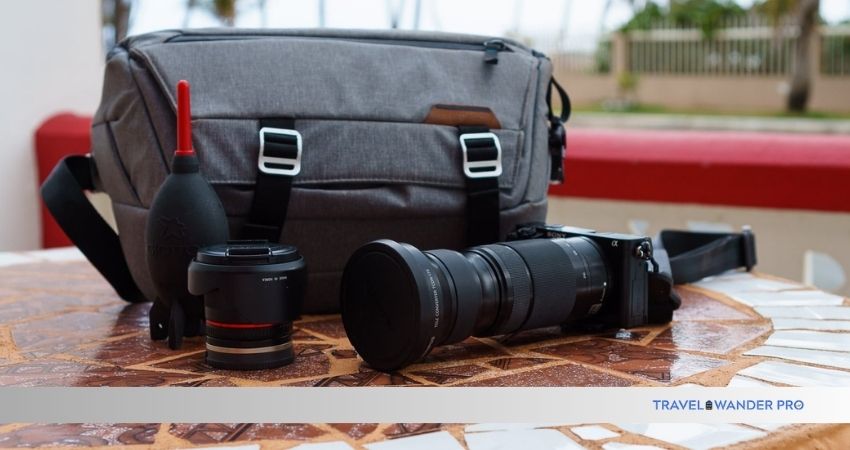
A camera bag is more than storage. It protects lenses, camera bodies, and memory cards. It also shapes how you move. A wrong bag can slow you down or damage gear.
Choosing well saves money. It avoids replacement costs and missed shots. It also keeps you calm in airports and crowded streets.
How to choose a camera bag for travel starts with needs. Think gear, length of trip, and how you move.
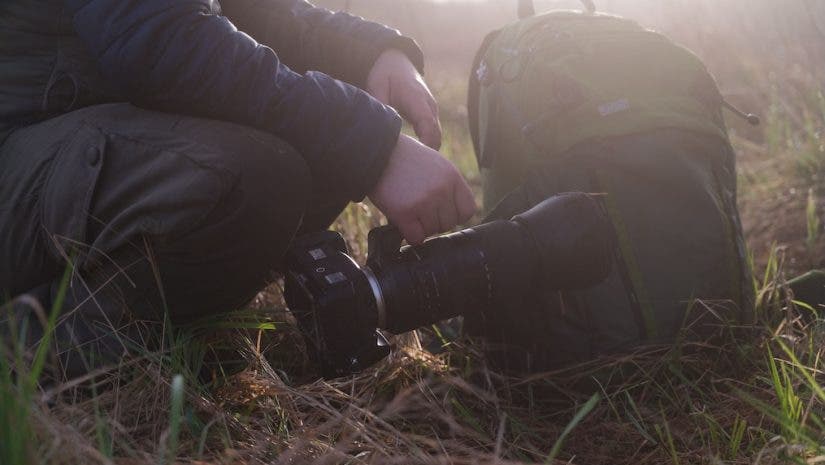
Source: adorama.com
Key factors to weigh when choosing a camera bag
Consider these core points. They will guide every decision.
- Size and capacity — Match the bag to your kit. Carry one body and two lenses or a full pro kit.
- Carry style — Choose backpack, sling, messenger, or roller based on comfort.
- Protection and padding — Look for adjustable dividers and firm padding.
- Weather resistance — Water-resistant fabric or rain cover protects gear.
- Access speed — Side or top access matters for street and travel work.
- Airline rules — Check carry-on size limits for the airlines you use.
- Weight and comfort — A heavy bag can ruin a long day.
- Security features — Lockable zippers and RFID pockets help against theft.
- Organization — Spare batteries, cards, and laptop pockets keep you ready.
- Budget and value — Durable bags often cost more but last longer.
How to choose a camera bag for travel means balancing these. Decide which factors matter most for your trips.

Source: eumeworld.com
Types of camera bags and when to pick each
Each bag type has strengths. Pick the one that fits your travel style.
- Backpack
- Best for: Long walks, hiking, and carrying heavier kits.
- Pros: Even weight, lots of room, laptop fit.
- Cons: Can be bulky in crowds.
- Sling bag
- Best for: Short shoots and city travel.
- Pros: Fast access, compact.
- Cons: Less weight balance for long hauls.
- Messenger bag
- Best for: Street photographers and commuters.
- Pros: Quick access, stylish.
- Cons: One-shoulder strain on long days.
- Roller case
- Best for: Airport travel and big kits.
- Pros: Easy on the back, lots of space.
- Cons: Hard on rough terrain.
- Holster/Compact case
- Best for: Minimalists or second body on a belt.
- Pros: Ultra-fast access.
- Cons: Very limited capacity.
How to choose a camera bag for travel comes down to the places you go. I used a sling in cities and switched to a backpack in the mountains. Each worked for its purpose.
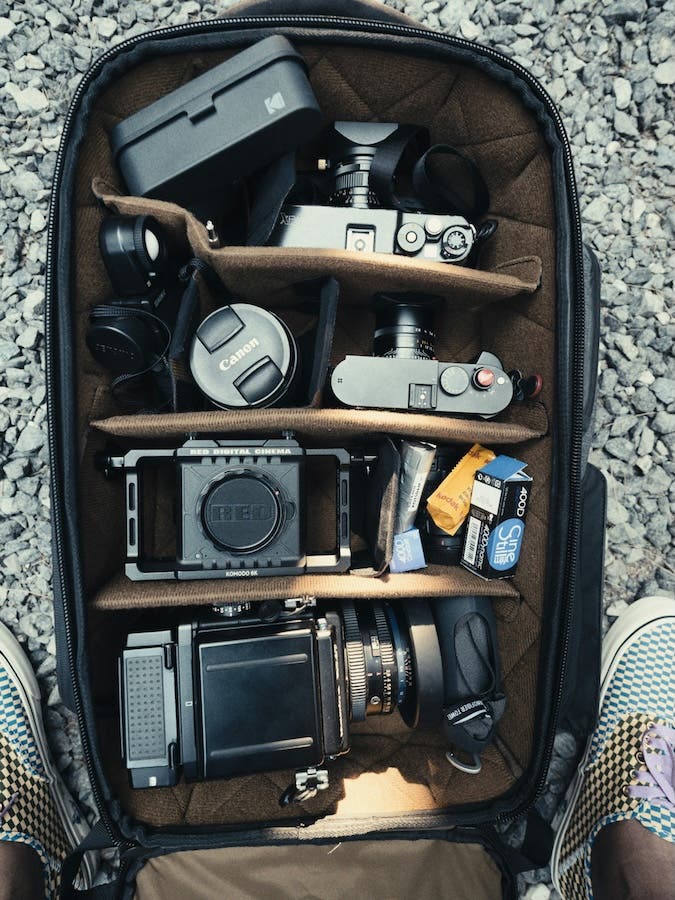
Source: adorama.com
Match the bag to your travel style
Think about where you shoot. That will narrow your options fast.
- Urban travel
- Pick: Sling or messenger for speed and low profile.
- Look for: Quick side access and theft deterrents.
- Adventure and hiking
- Pick: Backpack with frame support and rain cover.
- Look for: Hip belt, sternum strap, and gear loops.
- Long trips and flights
- Pick: Roller or large backpack that fits carry-on rules.
- Look for: Laptop sleeve and easy customs access.
- Street and documentary
- Pick: Small messenger or sling for discretion.
- Look for: Quiet zippers and neutral color.
- Family travel
- Pick: A bag with room for camera and family items.
- Look for: Quick pockets and easy cleaning.
From real trips, I learned to pick a bag I can wear all day. Comfort beats extra pockets if the bag hurts your shoulders.
Source: eumeworld.com
Materials, build quality, and weather protection
Materials affect weight, durability, and weather defense.
- Fabrics
- Nylon and polyester are light and strong.
- Waxed canvas looks great but needs upkeep.
- TPU-coated fabric adds water resistance.
- Zippers and hardware
- YKK zippers last longer.
- Metal clips are sturdy but heavier.
- Padding and dividers
- Foam padding should be firm, not soft.
- Velcro dividers let you customize layout.
- Weather protection
- Built-in rain covers are vital in wet climates.
- Water-resistant seams help when you must set a bag down.
How to choose a camera bag for travel means checking fabric and hardware. Spend more if you want long-term use.

Source: youtube.com
Fit, comfort, and ergonomics
A bag that fits you changes everything.
- Try it loaded — Pack your actual gear and walk around a store if possible.
- Check straps — Padded, adjustable straps reduce fatigue.
- Look for load distribution — Hip belts and sternum straps shift weight.
- Consider body size — Short torsos may need a smaller pack.
I once bought a bag online that cut off circulation. Since then, I always try loaded gear in person when I can.
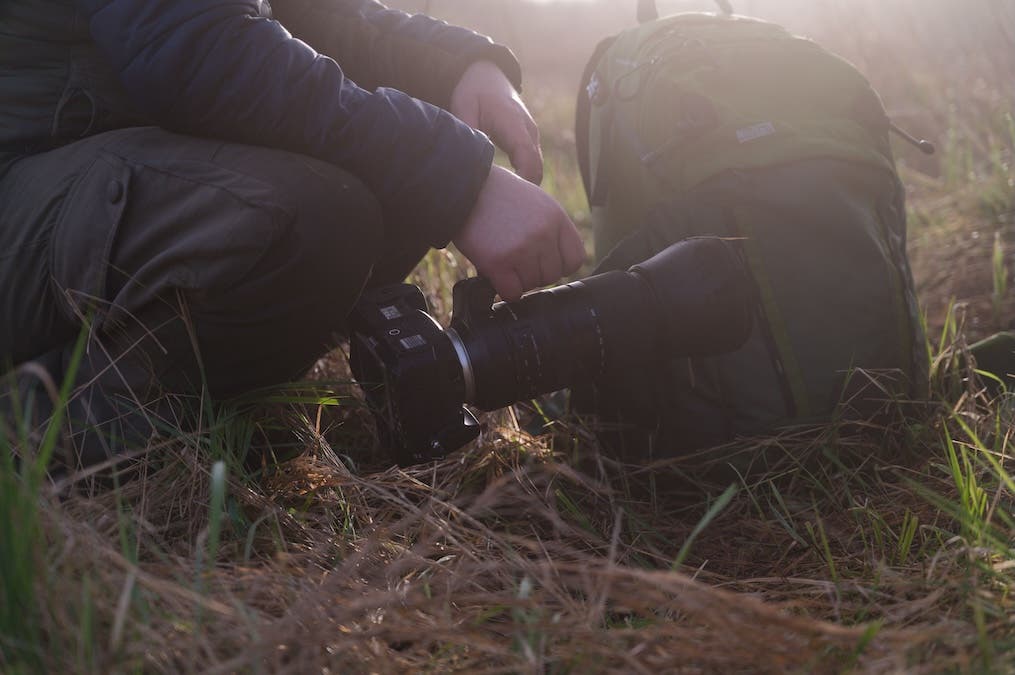
Source: adorama.com
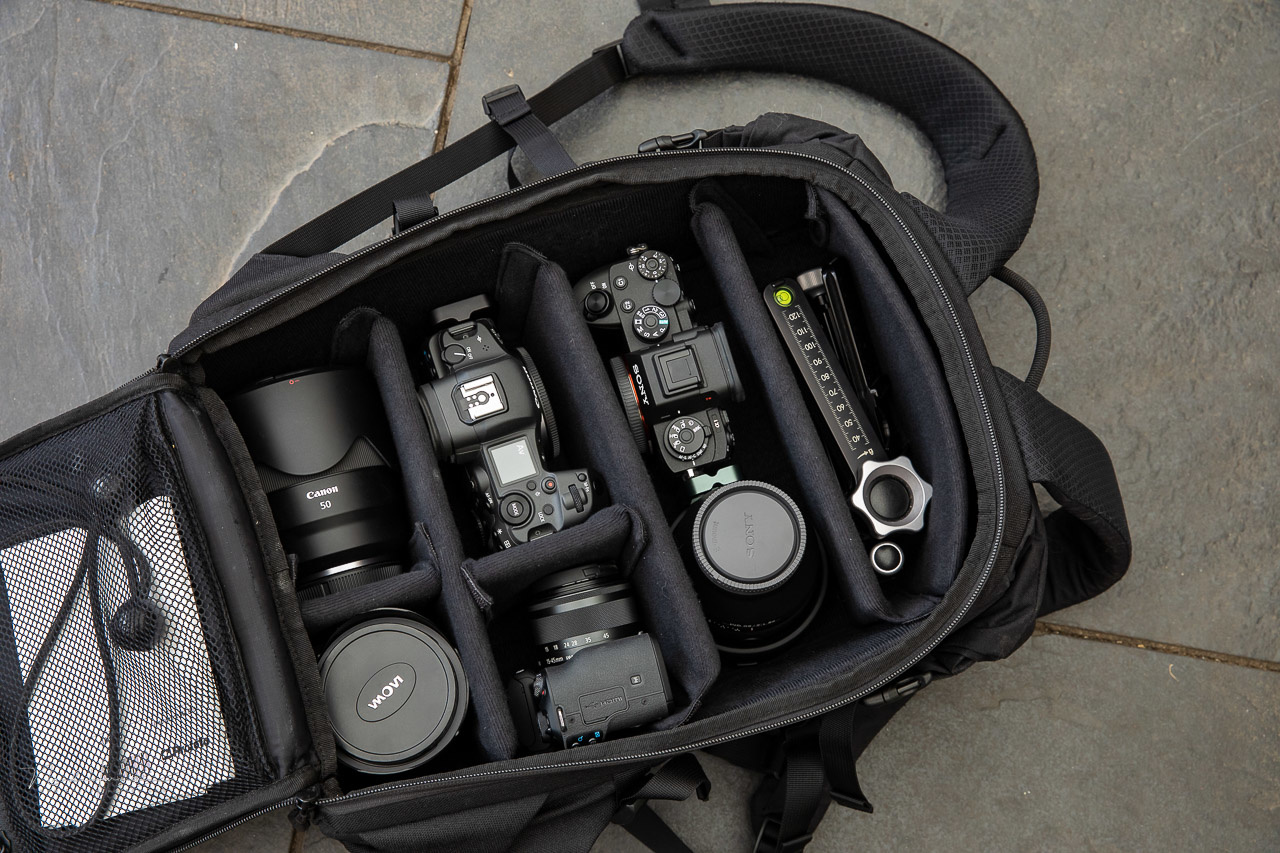
Organization and gear protection tips
Good organization speeds up shoots and lowers risk.
- Use labeled memory card cases and battery pouches.
- Keep filters and small items in clear pockets for fast access.
- Store fragile lenses vertically if possible.
- Use camera cubes for airline carry-on ease.
- Keep a small cable pouch near the top for chargers.
How to choose a camera bag for travel also includes how you pack it. A well-packed bag makes you faster and safer.
Source: fstoppers.com
Security, insurance, and airport tips
Keep gear safe from theft and loss.
- Security features
- Lockable zips and hidden pockets deter pickpockets.
- RFID pockets protect cards and passports.
- Insurance and backups
- Insure expensive bodies and lenses.
- Carry duplicates of critical items: batteries and chargers.
- Airport handling
- Know carry-on limits to avoid checked baggage.
- Use a bag that opens for quick inspection without emptying.
I once had a bag opened in customs. A bag with simple access points made the process smooth and less stressful.

Source: ghurairproperties.com
Budgeting and long-term value
Smart buying saves money over time.
- Buy once, buy well — Durable bags often last years.
- Prioritize core features — Protection, comfort, and weatherproofing.
- Consider resale value — Brands with modular systems can retain value.
How to choose a camera bag for travel is partly a budget choice. Decide what you need now and what you may need later.
Quick PAA-style questions
What size bag do I need for one camera and two lenses?
A medium sling or small backpack usually fits one body and two lenses, plus spare batteries and cards. Check internal dimensions and divider setups before buying.
Can I use a regular backpack for cameras?
Yes, but add a camera cube or padded insert to protect gear. Regular bags lack built-in dividers and shock protection.
Do camera bags count as carry-on?
Most do, but airline rules vary. Measure the bag and confirm with your carrier to avoid checking gear.
Frequently Asked Questions of How to Choose a Camera Bag for Travel
How much padding does my bag need?
Aim for firm padding that absorbs shocks. Thin padding may not protect lenses in drops or rough handling.
Is weatherproofing essential?
Yes if you travel in rain or snow. A rain cover or water-resistant fabric can save gear from damage.
Should I carry my tripod inside the bag?
If space allows, use external straps or tripod loops. Inside storage can crush other gear unless the bag is large.
How do I carry a laptop with camera gear?
Choose a bag with a separate laptop sleeve. Keep the laptop separate to avoid pressure on camera gear.
What’s the best bag for long travel days?
A well-padded backpack with hip and sternum straps will be most comfortable for long days. Balance weight and quick access needs.
Conclusion
Choosing the right bag changes your travel experience. Focus on your gear, travel style, and comfort. Prioritize protection, access, and weather resistance. Test a loaded bag when possible and plan for airline rules and security. Start with the needs you have now, and pick a bag that grows with your work.
Try one change on your next trip: pack your kit in the new bag and wear it for a full day. See how it feels. If it saves time or stress, you made the right choice. Share your experience, ask questions below, or subscribe for more travel gear guides.