Last Updated on August 9, 2026
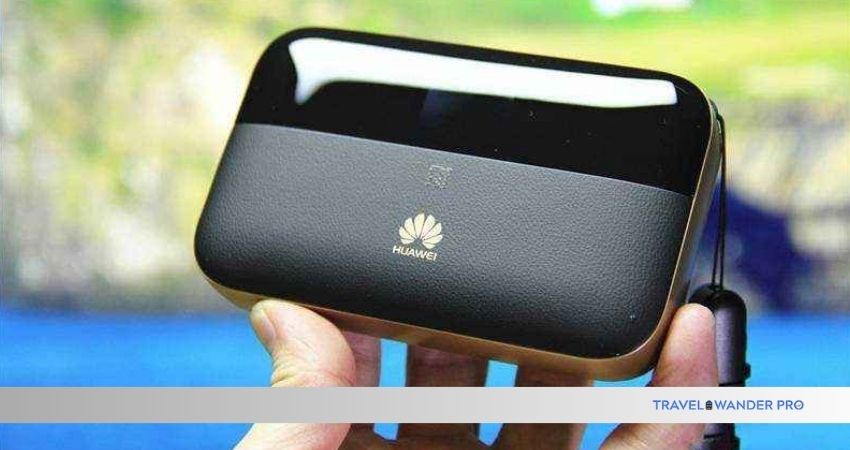
Portable WiFi is a pocket-sized hotspot that gives you mobile internet anywhere you have cellular signal.
I’ve spent years testing travel gear and home tech, and I’ll walk you through what portable WiFi is, how it works, when it helps, and how to decide if What Is Portable WiFi and Do You Need It? applies to you. This guide blends clear definitions, real-world tips, costs, and security advice so you can choose with confidence.

What Is Portable WiFi and Do You Need It? — Definition and basics
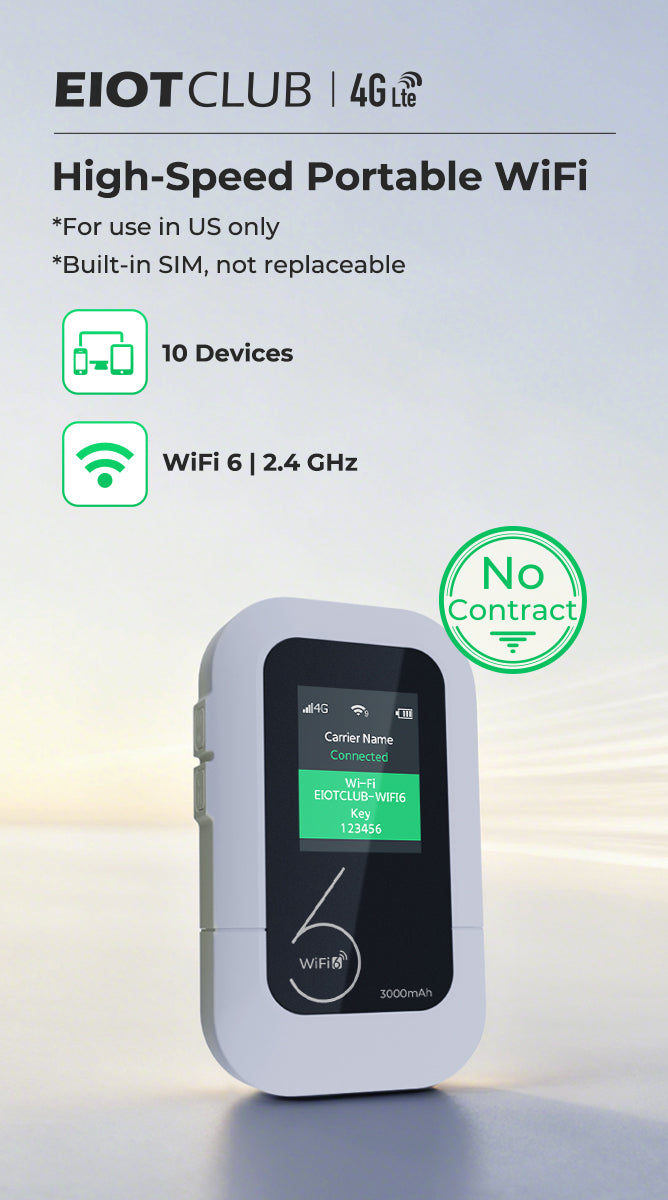
Portable WiFi is a small device that creates a local wireless network using a cellular data connection. It often looks like a tiny router or a USB modem. You insert a SIM or buy a data plan, and the device shares internet over Wi-Fi to phones, laptops, and tablets.
People use portable WiFi for travel, remote work, backup internet, and places where fixed broadband is slow or unavailable. The phrase What Is Portable WiFi and Do You Need It? sums up two questions: the tech itself, and whether the use case justifies the cost. Short answer: if you need reliable, flexible internet outside fixed networks, a portable hotspot can be worth it.

How portable WiFi works
A portable WiFi device connects to a mobile network. It grabs data through 4G LTE or 5G. Then it turns that data into a local Wi-Fi signal. Multiple users can join the hotspot like any router. Battery-powered models last from 6 to 24 hours depending on the model and use.
You control who connects through a password. Many devices show real-time data use and let you limit devices. Mobile network performance and coverage determine how fast the hotspot will be. When asked What Is Portable WiFi and Do You Need It?, coverage is the key factor to check first.

Types of portable WiFi devices
- Dedicated mobile hotspots: Small, battery-powered units made by router brands and carriers. They are reliable and often support many simultaneous devices.
- Smartphone tethering: Use your phone as a hotspot. It's simple but drains battery and may be slower for multiple users.
- USB modems and MiFi sticks: Plug into a laptop or other device to share a single connection. Good for solo users who move a lot.
- Travel routers with SIM slots: Combine router features with portability. Useful for short-term shared networks in vacation rentals.
Each type answers a variant of What Is Portable WiFi and Do You Need It? by offering trade-offs in battery life, speed, and ease of use.

Benefits of using portable WiFi
- Flexibility: Use internet where wired broadband can’t reach.
- Multiple devices: Share one data plan with phones and laptops.
- Security: Avoid public Wi-Fi risks by using your own encrypted network.
- Predictable performance: You control the device and settings.
- Cost control: Prepaid plans avoid surprise bills, and short-term plans suit travelers.
From my experience, portable WiFi saved a client’s remote workday when a home ISP failed. We set up a pocket hotspot and finished a video call without downtime.

Limitations and downsides
- Cost: Data plans can be more expensive per GB than home broadband.
- Coverage dependent: In weak cell areas, speeds drop or service vanishes.
- Battery life: Many devices need daily charging under heavy use.
- Speed limits: Shared connections and carrier throttling can reduce performance.
- Device limits: Lower-end hotspots only handle a few simultaneous users.
When you ask What Is Portable WiFi and Do You Need It?, factor these limits against your needs. For streaming multiple 4K videos, fixed broadband often wins.

Who needs portable WiFi?
- Travelers: Business and leisure travelers who need steady internet abroad.
- Remote workers: People who work from cafes, co-working spaces, or outdoors.
- Event hosts: Short-term events that need temporary internet for attendees.
- Backup users: Anyone who needs a failover in case home internet drops.
- Rural users: People in areas with unreliable wired options but decent mobile coverage.
In my years using portable hotspots, travelers and remote workers found the most value. If you work on the go or rely on video meetings, portable WiFi often answers What Is Portable WiFi and Do You Need It? with a clear yes.
How to choose the right portable WiFi
- Check coverage: Verify carrier signal strength where you’ll use the device most.
- Decide on speed needs: For video calls, choose 4G LTE or 5G-capable devices.
- Count users: Pick a unit that supports enough simultaneous devices.
- Battery and portability: Balance runtime with size and weight.
- Plan flexibility: Look for pay-as-you-go or short-term plans if you travel.
I once bought a low-cost hotspot and regretted it because it supported only two devices. Lesson learned: always match device specs to real needs before buying.

Cost and data plans
- Prepaid plans: Good for short trips and predictable budgets.
- Monthly plans: Better for regular use and often include larger data buckets.
- International plans: Some hotspots offer global roaming plans that work in many countries.
- Pay-per-GB: Can be expensive but useful for light or occasional users.
Compare cost per gigabyte and check for fair use policies. Some carriers throttle speeds after a data threshold. That detail directly affects whether What Is Portable WiFi and Do You Need It? makes financial sense for long-term heavy data users.
Setup, security, and best practices
- Change the default password immediately to a strong one.
- Keep firmware updated for security and performance.
- Use WPA2 or WPA3 encryption when available.
- Monitor data usage to avoid overages.
- Turn off hotspot when not in use to save battery and data.
A simple step I always follow: set a recognizably unique SSID and a 12+ character password. That small habit prevented unauthorized access when I used hotspots in busy airports.
Quick PAA-style questions
What is a portable WiFi hotspot used for?
A portable WiFi hotspot provides internet where wired connections can’t reach. It’s used for travel, remote work, and as a backup.
Can a portable WiFi replace home broadband?
It can for light-to-moderate use, but it’s often more costly for heavy streaming or many users. Coverage and data caps matter.
Is portable WiFi secure?
Yes, when you use strong passwords and modern encryption. It’s safer than open public Wi-Fi but still needs good hygiene.
Does portable WiFi work internationally?
Many devices support international SIMs or roaming plans, but speed and coverage depend on local carriers.
How long do portable WiFi batteries last?
Battery life ranges from about 6 to 24 hours depending on the model and how many devices are connected.
Frequently Asked Questions of What Is Portable WiFi and Do You Need It?
What is portable WiFi?
Portable WiFi is a small device that shares a cellular internet connection over Wi-Fi to nearby devices. It acts like a mini wireless router using mobile data.
How does portable WiFi differ from phone tethering?
Phone tethering uses your smartphone’s connection and battery. Dedicated hotspots usually offer longer battery life, support more devices, and have stronger signals.
Can I use a portable WiFi for streaming?
Yes, you can stream video, but quality depends on cellular speed, data limits, and how many people share the hotspot.
Is portable WiFi safe to use in public places?
Portable WiFi is safer than public open networks when you use strong encryption and a secure password. Always keep software updated.
Do I need a separate SIM for a portable WiFi device?
Most portable WiFi devices accept a SIM card, but some let you buy plans directly from the carrier or use eSIMs where supported.
How many devices can connect to a portable WiFi?
It varies by device; typical hotspots support 5 to 20 devices. Check specs to match your use case.
Conclusion
Portable WiFi is a practical tool for anyone who needs reliable internet away from fixed networks. We covered what portable WiFi is, how it works, benefits, limits, who benefits most, and how to choose the right device and plan. If you travel, work remotely, or need a backup connection, test a portable hotspot for a month and measure coverage and costs to see if What Is Portable WiFi and Do You Need It? matters for you. Try one on a short trip, track data use, and decide based on real experience. If this helped, subscribe for more guides, or leave a comment with your questions.