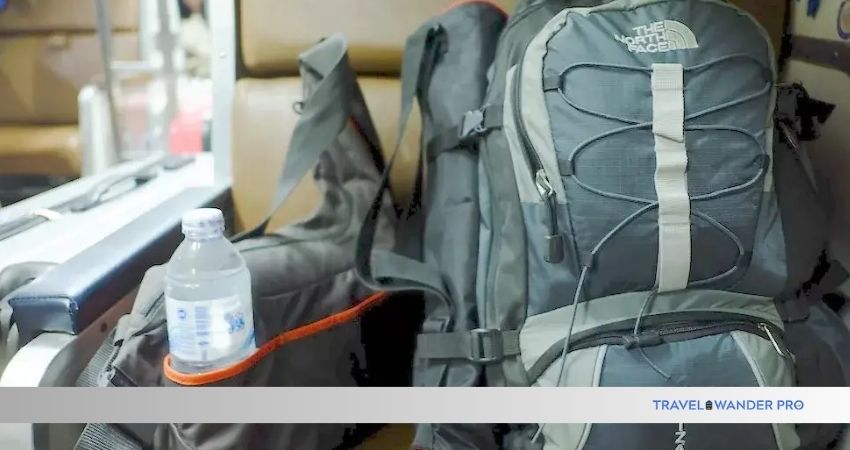
Is your backpack starting to smell musty or showing those annoying dark spots? Mold can sneak in when you least expect it, turning your favorite bag into a health hazard and ruining your gear.
But don’t worry—you don’t have to toss it out or live with the problem. You’ll learn simple, effective steps to get rid of mold on your backpack quickly and safely. Keep reading to protect your belongings and breathe easy again.
Identifying Mold On Backpacks
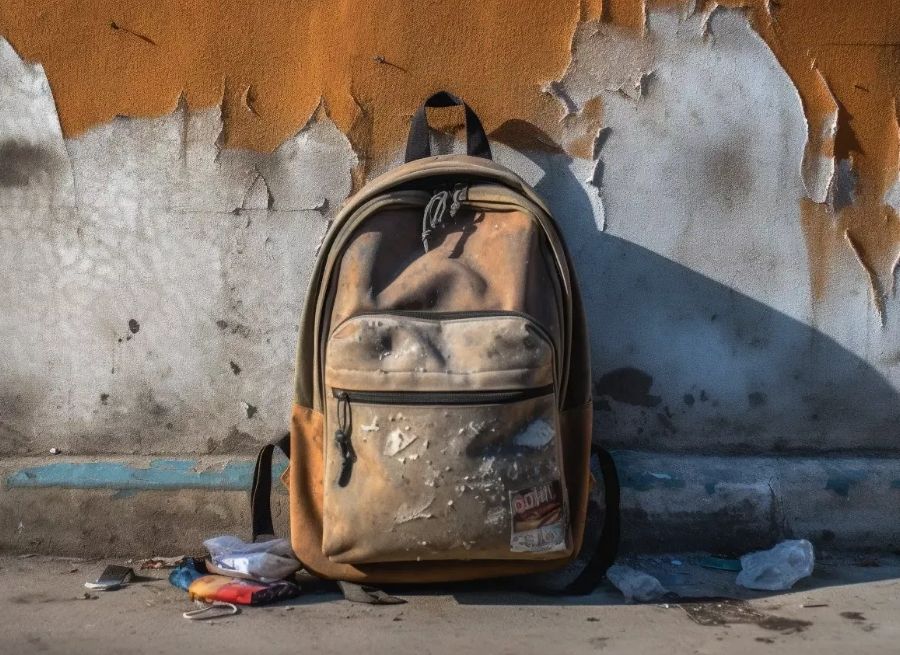
Mold can grow on backpacks if they stay damp or dirty. It may cause health problems or damage the fabric. Knowing how to spot mold helps you clean it early.
Look closely at your backpack for signs of mold. Early detection stops mold from spreading and ruining your bag.
Visual Signs Of Mold
Mold often looks like spots or patches. These spots can be black, green, white, or gray. They may appear fuzzy or slimy. Check seams, zippers, and inside pockets carefully.
- Black or green spots on fabric
- White powdery or fuzzy patches
- Gray or brown stains
- Discoloration of fabric areas
- Spread in damp or hidden places
Smell Of Mold On Backpacks
Mold has a musty, earthy smell. If your backpack smells like damp soil or old wood, mold may be growing inside. This smell often stays even after drying the bag.
Texture Changes On The Backpack
Mold can change how the fabric feels. Moldy areas may feel slimy, sticky, or rough. The backpack may also feel damp in places that should be dry.
Common Backpack Areas Affected
| Backpack Area | Why Mold Grows Here |
| Inside pockets | Traps moisture and dirt |
| Seams and stitching | Holds water and dust |
| Back padding | Sweat and humidity collect |
| Bottom of the bag | Contact with wet surfaces |
| Zippers | Crevices trap moisture |
Safe Cleaning Materials
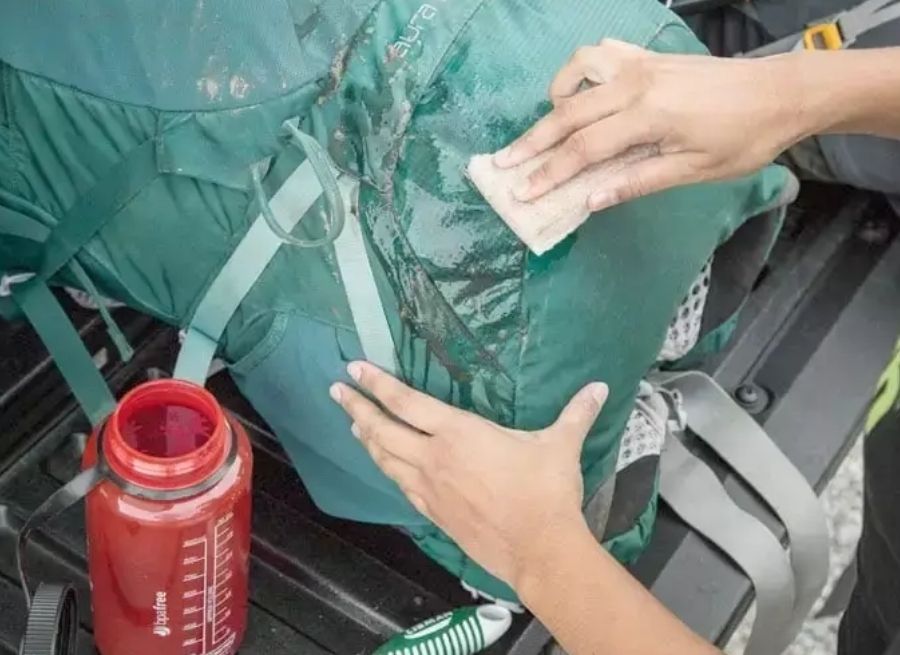
Mold on backpacks can be unpleasant and harmful. It’s important to clean it safely using the right materials.
This guide will help you choose safe cleaning materials to remove mold effectively.
Use White Vinegar
White vinegar is a natural cleaner that kills mold. It’s safe for most backpack materials.
- Mix equal parts of water and white vinegar.
- Apply the solution to the moldy area.
- Let it sit for 30 minutes before wiping.
Baking Soda Solution
Baking soda is gentle and effective in removing mold. It also helps eliminate odors.
| Ingredient | Amount |
| Baking Soda | 1 tablespoon |
| Water | 1 cup |
Mix baking soda with water and scrub the affected area. Rinse thoroughly and dry.
Utilize Tea Tree Oil
Tea tree oil is a natural antifungal and safe for fabrics. It can remove mold efficiently.
Add a few drops of tea tree oil to a spray bottle with water. Shake well and spray on the moldy spots. Wipe after an hour.
Step-by-step Mold Removal
Mold on backpacks can cause bad smells and damage the fabric. It is important to remove mold quickly and safely.
This guide will show you clear steps to clean mold from your backpack at home.
Check The Care Label
Look at the backpack’s care label first. It tells you how to wash it without damage.
Some backpacks need hand washing only. Others can go in the washing machine.
Brush Off Mold Outdoors
Take your backpack outside to avoid spreading mold spores inside your home.
Use a soft brush to gently remove mold from the fabric surface.
Prepare A Cleaning Solution
Mix warm water with mild soap or detergent. You can add white vinegar to kill mold spores.
- 1 cup warm water
- 1 teaspoon mild soap
- 1/2 cup white vinegar (optional)
Clean The Backpack
Use a sponge or cloth dipped in the cleaning solution. Gently scrub the moldy areas.
Do not soak the backpack too much. This helps protect the fabric and any padding.
Rinse And Dry Thoroughly
Rinse the cleaned areas with clean water to remove soap and mold residue.
Dry the backpack in direct sunlight if possible. Sunlight helps kill mold spores and dries faster.
Use Baking Soda For Odors
Sprinkle baking soda inside the backpack to absorb odors. Let it sit overnight.
Shake out the baking soda before using the backpack again.

Credit: simplycarry.com
Preventing Future Mold Growth
Mold grows on backpacks when moisture stays trapped inside. Stopping mold means keeping your backpack dry and clean.
Here are tips to prevent mold from coming back on your backpack.
Dry Your Backpack Thoroughly
Always dry your backpack completely after use. Mold grows in damp places, so drying stops it.
Hang your backpack in a sunny or well-ventilated spot. Avoid storing it while wet or damp.
Store In A Cool, Dry Place
Keep your backpack in a cool area with good airflow. Warm, humid places help mold grow faster.
Avoid basements or damp closets. Use a shelf or hook where air moves freely.
Clean Regularly
Wipe your backpack often to remove dirt and moisture. Dirt feeds mold and helps it stick to fabric.
Use mild soap and water for cleaning. Let it dry fully before storing again.
Use Mold-resistant Sprays
Spray your backpack with mold-resistant products made for fabrics. They help stop mold from growing.
Follow the instructions on the product label for best results.
Avoid Storing Food Inside
Do not keep food in your backpack for long periods. Food crumbs attract mold and insects.
Clean food spills right away to keep your backpack fresh and dry.
Frequently Asked Questions
How Do I Remove Mold From A Backpack Safely?
Use a mix of water and mild soap. Scrub gently with a soft brush. Let it dry completely in sunlight.
Can Vinegar Help Get Rid Of Mold On Backpacks?
Yes, white vinegar kills mold spores. Spray it on the moldy area, wait 30 minutes, then wipe clean.
Is It Safe To Use Bleach On Moldy Backpacks?
Bleach can damage fabric and colors. It’s better to use natural cleaners like vinegar or baking soda.
How Can I Prevent Mold From Growing On My Backpack?
Keep your backpack dry and store it in a well-ventilated area. Avoid leaving it damp or wet.
What Should I Do If Mold Smell Stays After Cleaning?
Air out your backpack in sunlight for several hours. Use baking soda inside to absorb odors.
Conclusion
Getting rid of mold on your backpack is simple with the right steps. Clean the mold quickly to stop it from spreading. Use gentle cleaning agents and dry the backpack well. Keep it in a dry, airy place to prevent mold return.
Regular checks help catch mold early. A clean backpack lasts longer and stays healthy to use. Take care of it, and your backpack will stay fresh for all your trips. Mold doesn’t stand a chance with these easy tips.