Are you planning your next hiking adventure and wondering how to carry your hiking poles without hassle? Knowing how to attach hiking poles to your backpack can make a big difference in your comfort and convenience on the trail.
You don’t want to waste time fumbling with gear or risk losing your poles. In this guide, you’ll discover simple, effective ways to secure your hiking poles so they stay put while you focus on the path ahead. Keep reading to learn easy tips that will make your hike smoother and more enjoyable.
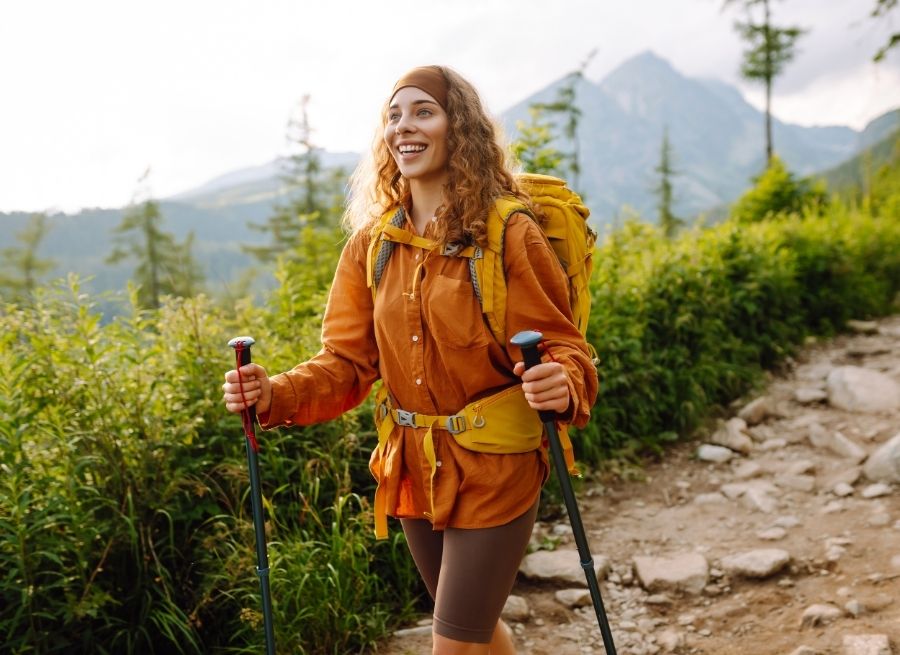
Choosing The Right Hiking Poles
Hiking poles help you keep balance and reduce strain on your legs. Choosing the right poles makes your hike safer and more comfortable.
Think about the type of hiking you will do and the weight you want to carry. These details help you pick the best poles for your needs.
Types Of Hiking Poles
There are several types of hiking poles. Each type fits different hiking styles and terrains.
- Fixed-length poles: simple and strong, do not change length
- Telescoping poles: adjustable length, easy to pack
- Folding poles: fold into small size, good for travel
- Shock-absorbing poles: reduce impact on joints
Pick poles that match your hiking style and the places you will explore.
Materials And Weight Considerations
Hiking poles come in different materials. Each affects the weight and strength of the poles.
- Aluminum: strong and affordable but slightly heavier
- Carbon fiber: very light and stiff but can break easier
- Composite materials: mix of materials for balance
Lighter poles reduce fatigue but can cost more. Choose poles that feel comfortable for you.
Preparing Your Backpack
Carrying hiking poles can be tricky when you’re not using them. Securing them to your backpack is essential for convenience and safety.
Learning how to attach hiking poles to your backpack ensures a more organized and comfortable hike.
Identifying Attachment Points
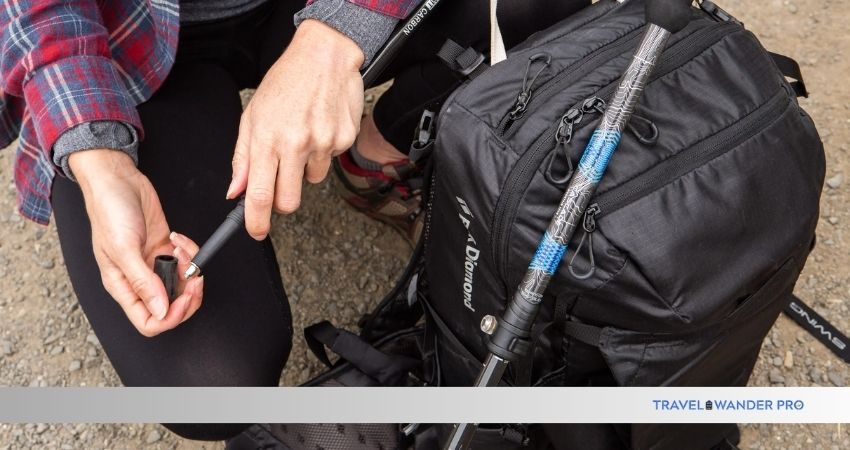
Backpacks often come with specific points designed to hold hiking poles. These are usually loops or straps located on the sides or back.
- Look for loops near the bottom of your backpack.
- Check for adjustable straps on the sides.
- Identify any clips or hooks that can secure poles.
Using Straps And Loops Effectively
Once you find the attachment points, using them correctly is crucial. Ensure your poles are stable and don’t swing while you walk.
Adjust the straps to tighten around the poles. Make sure the loops hold the pole tips securely. Keep poles upright to avoid imbalance.
Attaching Poles Securely
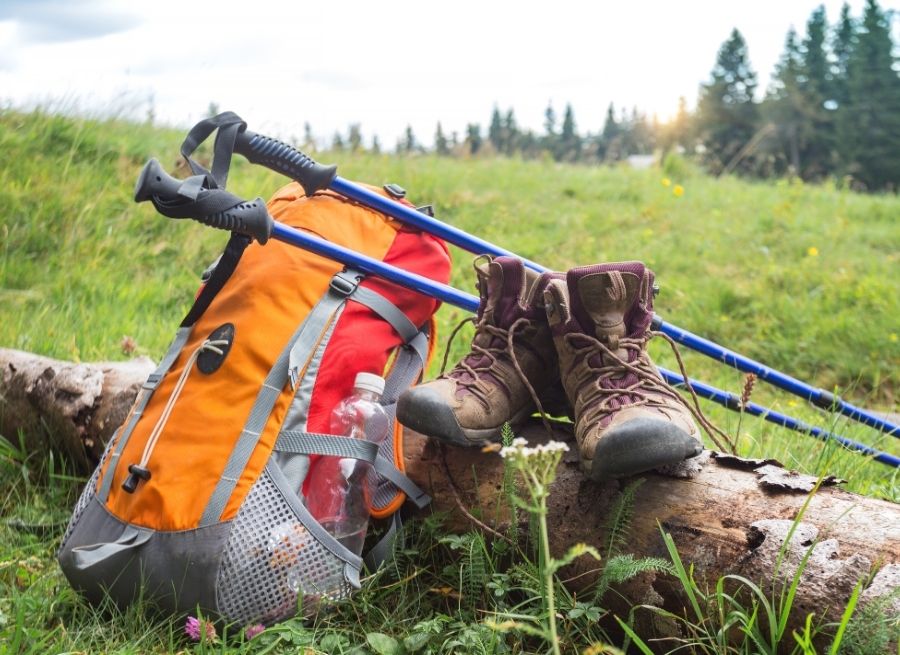
Attaching hiking poles to your backpack keeps your hands free. It also prevents poles from swinging or falling off.
Proper attachment helps keep your balance and protects your gear. Use simple methods to secure your poles tightly.
Step-by-step Attachment Methods
Start by placing the poles along the side or back of your backpack. Make sure they are straight and aligned.
Use straps or loops on your backpack to hold the poles in place. Tighten the straps to avoid any movement.
- Slide the pole tips into bottom loops or holders.
- Secure the poles with adjustable side or front straps.
- Cross the poles if your backpack has a dedicated pole attachment area.
- Check that the poles do not stick out dangerously.
Tips For Stability And Balance
Keep the poles close to your backpack’s frame. This reduces shifting during walking.
Tighten all straps firmly but avoid crushing the poles or backpack. Balance weight evenly on both sides.
- Attach poles on the side opposite your water bottle or heavy gear.
- Check the poles often during your hike for tightness.
- Use elastic cords or bungee loops if your backpack has them.
- Keep pole handles facing up for easy access.

Credit: eu.alpkit.com
Maintaining And Adjusting Poles On The Go
Keeping your hiking poles secure and well-adjusted makes your trek easier. You can carry them safely by attaching them to your backpack. This guide shows ways to do it while protecting your gear.
Adjusting poles quickly helps you adapt to different trail conditions. Proper care during hikes prevents damage and keeps your poles ready for use.
Quick Release Techniques
Quick release methods let you attach or detach poles fast. This saves time and effort when you need to switch between hiking and climbing or resting.
- Use side straps on your backpack to hold poles securely.
- Clip poles with carabiners to loops or daisy chains on the pack.
- Collapse poles to their shortest length before attaching.
- Make sure pole tips face down to avoid damage and snagging.
- Check that straps or clips are tight but not too tight to damage poles.
Preventing Damage During Hikes
Protecting your poles from wear and tear is important. Rough terrain and long hikes can cause scratches or bending if poles are not secured well.
| Damage Type | Cause | Prevention Tip |
|---|---|---|
| Scratches | Rubbing against rocks or trees | Use pole covers or sleeves when stored |
| Bent Poles | Improper packing or heavy loads | Attach poles flat and avoid heavy pressure |
| Loose Locks | Dirt or debris in adjustment joints | Clean and dry poles regularly |
| Broken Tips | Hitting sharp objects or rough surfaces | Use rubber tip protectors during transport |
Frequently Asked Questions
How Do I Secure Hiking Poles On My Backpack?
Use the side loops or straps on your backpack to fasten poles tightly.
Can Hiking Poles Damage My Backpack When Attached?
No, proper use of straps prevents damage; avoid sharp contact points.
What Is The Best Position To Attach Hiking Poles?
Attach poles vertically or diagonally on the side for balance and easy access.
Are There Special Backpack Features For Carrying Hiking Poles?
Yes, many backpacks have dedicated loops or holders for hiking poles.
How To Prevent Hiking Poles From Rattling While Hiking?
Tighten all straps and use pole tip covers to reduce noise and movement.
Conclusion
Attaching hiking poles to your backpack keeps your hands free and gear organized. Use straps or loops designed for poles on your pack. Secure the poles tightly to avoid noise or movement. Check the attachment often during your hike. This simple step makes your outdoor experience more comfortable and safe.
Practice a few times before your trip to get it right. Carrying poles properly helps you enjoy every trail with ease.