Last Updated on August 24, 2026
You’ve packed your backpack with everything you need for your trip, but what if the rain starts pouring? Water can quickly soak your gear, ruining electronics, clothes, and important documents.
You don’t want your adventure cut short or your items damaged because your backpack isn’t ready for wet weather. In this guide, you’ll learn simple, effective ways to waterproof your backpack so you can stay dry and worry-free no matter how hard it rains.
Keep reading to discover easy tips that protect your gear and give you peace of mind on every rainy trip.
:max_bytes(150000):strip_icc()/tal-luggage-may-24-test-stubble-co-everyday-backpack-jjuliao-1923-1-ac91b392dd0c46f199c36a18f2702a53.jpeg)
Credit: www.travelandleisure.com
Choosing Waterproof Materials
Choosing the right materials is key to waterproofing your backpack effectively. The fabric determines how well your gear stays dry during rain. Not all fabrics are equal in resisting water. Some keep light moisture out, while others block heavy rain completely.
Understanding the difference between water-resistant and waterproof fabrics helps you pick the best option. Knowing the types of coatings and treatments adds another layer of protection. This knowledge guides you in making smart choices for rainy trips.
Water-resistant Vs Waterproof Fabrics
Water-resistant fabrics stop light rain and splashes. They slow down water but do not block it fully. These fabrics are usually treated with a durable water repellent (DWR) finish. This finish makes water bead up and roll off the surface.
Waterproof fabrics provide complete protection. They have a membrane or coating that blocks water entirely. Waterproof fabrics keep your belongings dry, even in heavy rain. Common waterproof materials include nylon with polyurethane coating or Gore-Tex.
Waterproof fabrics often have sealed seams to prevent leaks. Water-resistant materials may soak through over time. Choose waterproof fabric for long hikes or heavy rain. Water-resistant fabric works well for light rain or short trips.
Best Coatings And Treatments
Coatings add a protective layer to fabrics. Polyurethane (PU) coatings make nylon and polyester waterproof. They are flexible, durable, and affordable. PU coatings work well for backpacks exposed to rain.
Thermoplastic polyurethane (TPU) is a stronger, more elastic coating. TPU is waterproof and abrasion-resistant. It helps backpacks last longer in tough conditions. TPU coatings often come with a smooth finish.
Durable Water Repellent (DWR) treatments create a water-beading surface. DWR helps water slide off fabric quickly. It does not block water completely but improves resistance. Reapplying DWR treatment keeps your backpack effective over time.
Seam taping seals stitching holes. It stops water from seeping through seams. Look for backpacks with taped or welded seams. This feature boosts waterproof performance greatly.

Credit: www.amazon.com
Diy Waterproofing Techniques
Waterproofing your backpack protects your gear from rain and moisture. DIY methods are cost-effective and easy to apply. These techniques help keep your belongings dry on rainy trips.
Using Waterproof Sprays
Waterproof sprays create a water-resistant layer on fabric. Clean your backpack before spraying for best results. Hold the spray can about 6 to 8 inches away. Spray evenly over the entire surface. Let it dry fully before use. Repeat the process for better protection.
Applying Seam Sealers
Seam sealers block water from entering through stitching. Apply sealant carefully along all seams and stitches. Use a small brush for precision. Allow the sealant to dry completely. This method strengthens weak points in the backpack.
Adding Rain Covers
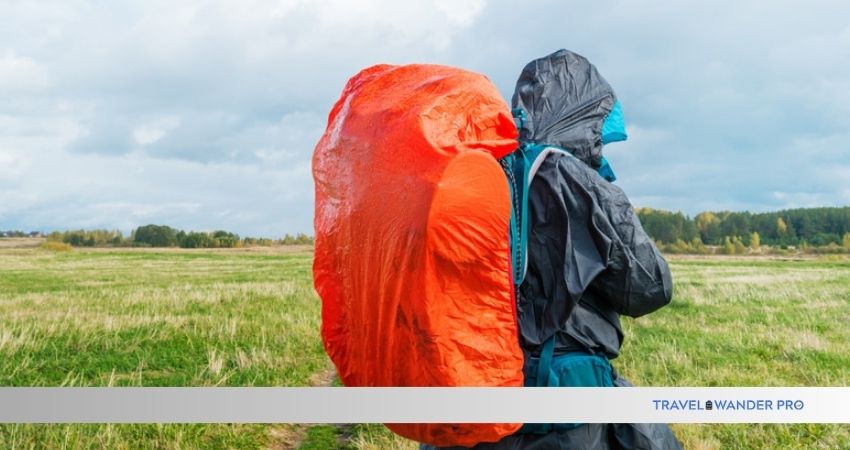
Rain covers provide extra protection outside the backpack. They are simple to use and pack away easily. Choose a cover that fits your backpack size. Pull the cover over your bag before rain starts. This adds a shield against heavy downpours.
Packing Tips For Extra Protection
Packing your backpack for rainy trips requires smart planning. Keeping your items dry is key to a comfortable adventure. Use simple steps to add extra protection inside your pack. Organize items well and protect sensitive gear from water damage.
Organizing With Dry Bags
Dry bags help keep clothes and gear dry. Use different sizes to separate wet and dry items. Place heavy items at the bottom and lighter ones on top. Seal each dry bag tightly to stop water from entering. This method keeps your backpack neat and items safe.
Protecting Electronics And Valuables
Electronics need special care to avoid water damage. Store devices in waterproof cases or plastic zip-lock bags. Wrap chargers and cables in extra plastic for added safety. Keep valuables close to your back for better protection. This way, your important items stay dry and work well.

Credit: www.amazon.com
Frequently Asked Questions
How Can I Make My Backpack Waterproof Quickly?
Use a waterproof spray designed for fabric. Apply evenly on all sides and let it dry fully. Repeat for better protection.
What Materials Help Keep Backpacks Dry In Rain?
Waterproof nylon or polyester fabrics work well. Sealed seams and waterproof zippers also prevent water entry. These features keep your items dry.
Can I Use Plastic Bags To Protect Items Inside My Backpack?
Yes, plastic bags or dry bags can protect important items. Place electronics and clothes inside before packing. They add a strong layer of water protection.
How Do I Maintain My Backpack’s Waterproofing?
Reapply waterproof spray every few months or after heavy rain. Clean the backpack with mild soap and water before spraying. This keeps the waterproof layer effective.
Conclusion
Waterproofing your backpack keeps your gear dry and safe. Use rain covers or waterproof sprays for extra protection. Seal zippers and seams to stop water from entering. Pack important items in plastic bags inside your backpack. These simple steps help you enjoy rainy trips worry-free.
Stay prepared and comfortable no matter the weather. Your backpack will last longer and work better. Ready for your next adventure?