Planning a trip soon? Before you pack your bags, there’s one important thing you shouldn’t overlook: your vaccinations.
Getting the right shots can protect you from serious illnesses that might ruin your travel plans or even endanger your health. But which vaccinations do you really need? This guide will help you understand exactly what shots to get, depending on where you’re headed.
Keep reading to make sure you stay safe and enjoy your trip without unexpected health worries.
Common Travel Vaccines
Traveling to new places can be exciting and fun. Staying healthy on your trip is very important. Vaccinations protect you from many illnesses. Some vaccines everyone should have. Others depend on where you go. Some change with the season. Knowing which vaccines to get helps you stay safe.
Routine Vaccinations
Routine vaccines protect against common diseases. These include measles, mumps, rubella (MMR), and diphtheria, tetanus, and pertussis (DTaP). Most adults also need a flu shot every year. Polio and chickenpox vaccines are common too. Check your records to see if you are up to date. These vaccines help prevent illnesses anywhere you travel.
Destination-specific Shots
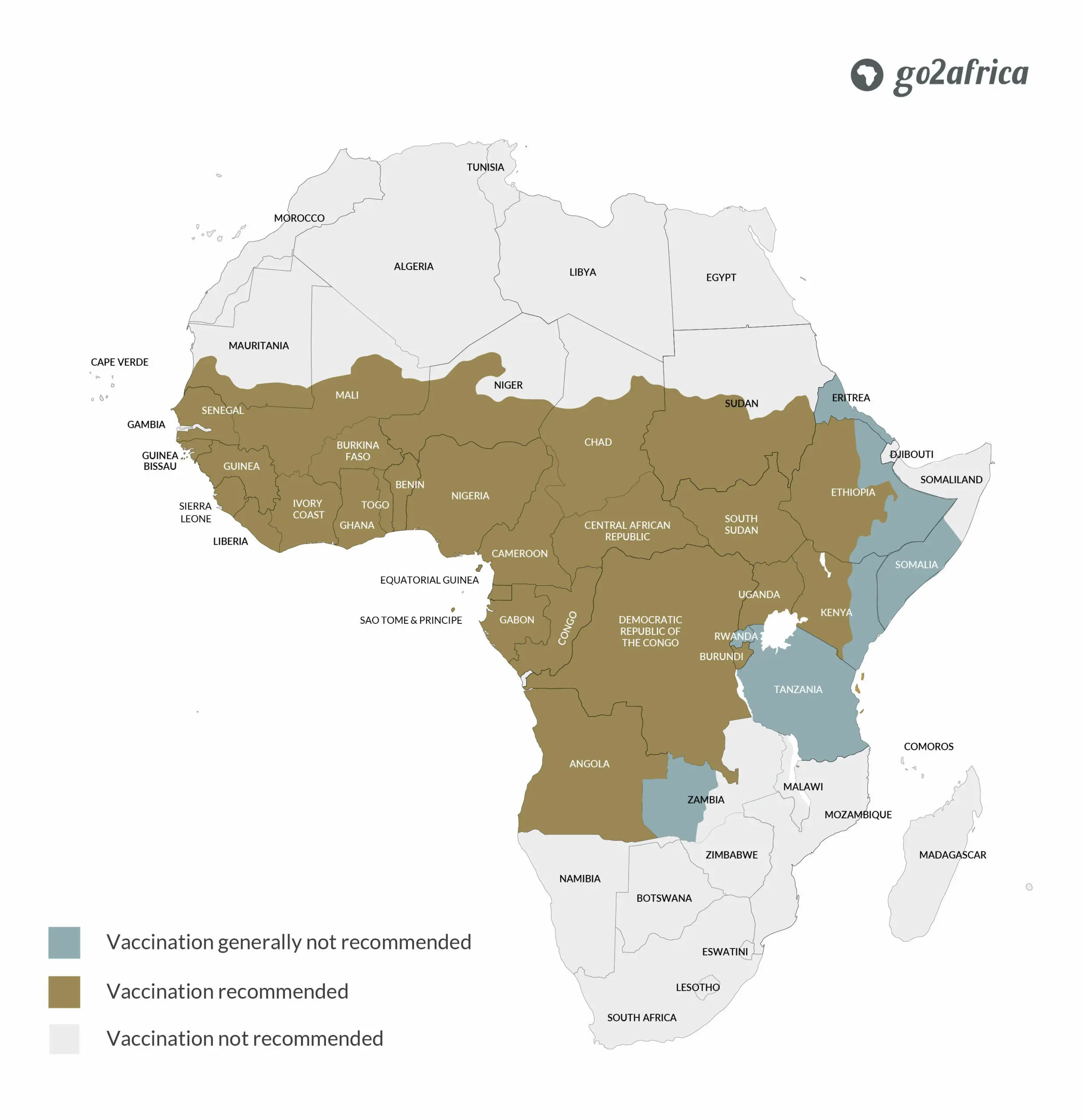
Some vaccines depend on your travel destination. Yellow fever vaccine is needed for parts of Africa and South America. Typhoid vaccine is important for areas with poor sanitation. Hepatitis A and B vaccines protect against liver infections common in many countries. Rabies shots may be needed if you plan to be near animals. Research your destination to find out what shots you need.
Seasonal Vaccines
Certain vaccines are needed only during specific seasons. The flu vaccine is most important in the fall and winter. Some places have more mosquito-borne diseases during rainy seasons. Vaccines like Japanese encephalitis protect against these infections. Ask your doctor if seasonal vaccines apply to your trip. Staying prepared helps avoid sickness during travel.

Credit: www.uchealth.org
Factors Influencing Vaccine Needs
Vaccination needs vary by traveler and trip details. Understanding key factors helps choose the right vaccines. This keeps you safe and healthy abroad.
Travel Destination Risks
Different countries have different disease risks. Some places have higher chances of malaria, yellow fever, or typhoid. Knowing the destination helps find needed vaccines. Researching local health warnings is important before travel.
Duration And Type Of Travel
Long trips may require more vaccines than short visits. Backpacking or rural travel can increase exposure to diseases. Business trips or hotel stays might need fewer vaccines. The type of activities planned also affects vaccine needs.
Personal Health Considerations
Age, health conditions, and immune status matter. Pregnant women and older adults may need special vaccines. Chronic illnesses can affect vaccine choices. Past vaccinations and allergies should be reviewed with a doctor.
Preparing For Vaccination
Preparing for vaccination is a key step before any trip abroad. Vaccines protect you from many serious diseases common in other countries. Planning ahead gives your body time to build strong immunity. It also helps you avoid last-minute stress and health risks.
Some vaccines need several doses or take weeks to become effective. Knowing when and where to get vaccinated makes your travel safer. Keep track of your vaccination records for easy access during your trip.
When To Get Vaccinated
Get vaccinated at least four to six weeks before traveling. This allows your body to develop full protection. Some vaccines need multiple doses spaced out over time. Starting early avoids delays or missed doses.
Check the vaccination schedule for your destination. Some vaccines may require boosters or special timing. Plan your shots to fit your travel dates and health needs.
Consulting Travel Health Clinics
Visit a travel health clinic for expert advice on vaccines. They know the latest health risks and vaccine recommendations. Clinics offer personalized plans based on your age and destination.
A clinic can provide vaccines not available at regular doctors’ offices. They also offer advice on other health precautions for your trip. Book your appointment early to get the full benefit.
Managing Side Effects And Records
Mild side effects like soreness or fever can happen after vaccination. Rest and drink plenty of water if you feel unwell. Serious side effects are rare but contact a doctor if needed.
Keep your vaccination records in a safe place. Carry a copy with you when traveling. Some countries require proof of vaccination for entry.
Credit: passport.et
Credit: www.go2africa.com
Frequently Asked Questions
What Vaccinations Are Required For International Travel?
Vaccinations vary by country and travel type. Common vaccines include Hepatitis A, Typhoid, and Yellow Fever. Check your destination’s health guidelines before traveling.
How Soon Before Travel Should I Get Vaccinated?
Get vaccines at least 4 to 6 weeks before your trip. Some vaccines need multiple doses over time. Early planning helps ensure full protection.
Which Vaccinations Protect Against Common Travel Diseases?
Hepatitis A, Typhoid, and Rabies protect against common travel illnesses. Some areas also require Yellow Fever or Malaria prevention. Know the risks of your destination.
Can I Travel Without Vaccinations For Certain Countries?
Some countries allow entry without vaccines but may restrict access to certain areas. Vaccinations reduce health risks and help avoid quarantine. Always research your destination’s rules.
Are Travel Vaccines Safe For Children And Adults?
Travel vaccines are generally safe for both children and adults. Side effects are usually mild and temporary. Consult a healthcare provider for personalized advice.
Conclusion
Travel vaccines protect your health and ensure a smooth trip. Check your destination’s vaccine needs early. Visit a healthcare provider at least four to six weeks before travel. Stay updated on routine shots like measles and tetanus. Some vaccines require multiple doses or time to work.
Carry your vaccination records during your journey. Staying safe means fewer health worries abroad. Planning ahead helps you enjoy your travel fully and stress-free. Remember, prevention is always better than treatment. Your health matters most on any adventure.