Last Updated on August 22, 2026
Are your backpack straps digging into your shoulders or sliding off as you move? If your backpack doesn’t feel right, it can quickly turn a simple trip into a tiring struggle.
But the good news is, adjusting your backpack straps properly can make all the difference. Imagine carrying your load with ease, feeling balanced and comfortable every step of the way. In this guide, you’ll learn simple, effective steps to tailor your backpack straps just for you.
Keep reading to discover how small changes can bring big comfort—your shoulders will thank you.
Credit: nathansports.com
Choosing The Right Backpack Fit
Choosing the right backpack fit is key to comfort and support. A poorly fitting backpack can cause pain and strain your back and shoulders. A good fit helps spread the weight evenly. This reduces fatigue and keeps you comfortable during long walks or hikes.
Focus on the backpack size, the load weight, and shoulder strap length. Each factor plays a vital role in how the backpack feels on your body. Take time to adjust each part correctly for the best experience.
Selecting The Proper Size
Pick a backpack size that matches your torso length. A pack too tall or too short causes discomfort. Measure your torso from the base of your neck to your waist. Match this length with the backpack’s frame size. Choose a pack with adjustable straps to fine-tune the fit.
Considering Load Weight
Keep the load balanced and not too heavy. Overloading strains your back and shoulders. Aim to carry no more than 20% of your body weight. Distribute weight evenly inside the pack. Place heavier items close to your back for better balance.
Adjusting Shoulder Strap Length
Adjust shoulder straps so the pack sits snugly against your back. Straps too loose cause the pack to sway. Straps too tight dig into your shoulders. The backpack should rest about two inches above your hips. Use the adjustment buckles to find a secure, comfortable fit.

Credit: vancharlioutdoor.com
Balancing Weight Distribution
Balancing weight distribution is key for a comfortable backpack fit. It reduces strain and helps you carry loads for longer. Proper balance prevents pain in your shoulders, back, and hips. Small adjustments make a big difference in comfort.
Using Hip And Chest Straps
Hip and chest straps help spread the weight evenly. The hip strap moves most weight to your hips. This takes pressure off your shoulders. The chest strap keeps the shoulder straps stable. Tighten both straps snugly but comfortably. They keep the backpack close to your body.
Positioning The Load Close To Your Back
Keep heavy items close to your back. This stops the pack from pulling you backward. Pack heavier gear near the middle and top. Lighter items go on the outside or bottom. A load close to your back feels lighter and easier to carry.
Avoiding Overpacking
Too much weight makes balancing difficult. Pack only what you need for your trip. Remove unnecessary items before you start. A lighter backpack is easier to adjust. It reduces fatigue and improves your posture.
Fine-tuning For Extended Comfort
Fine-tuning your backpack straps can make a big difference in comfort, especially during long trips. Small changes can reduce pressure on your shoulders and back. Adjusting straps throughout the day keeps your load balanced and pain-free. Follow simple steps to prevent issues like strap slippage and discomfort. Adding accessories can also help improve your experience.
Checking Strap Tension Throughout The Day
Strap tension changes as you move and shift your backpack. Check and adjust the straps every few hours. Loosen or tighten straps to keep the weight balanced. Avoid straps that are too tight, which can cut off circulation. Too loose straps cause the backpack to bounce and strain your muscles.
Preventing Strap Slippage
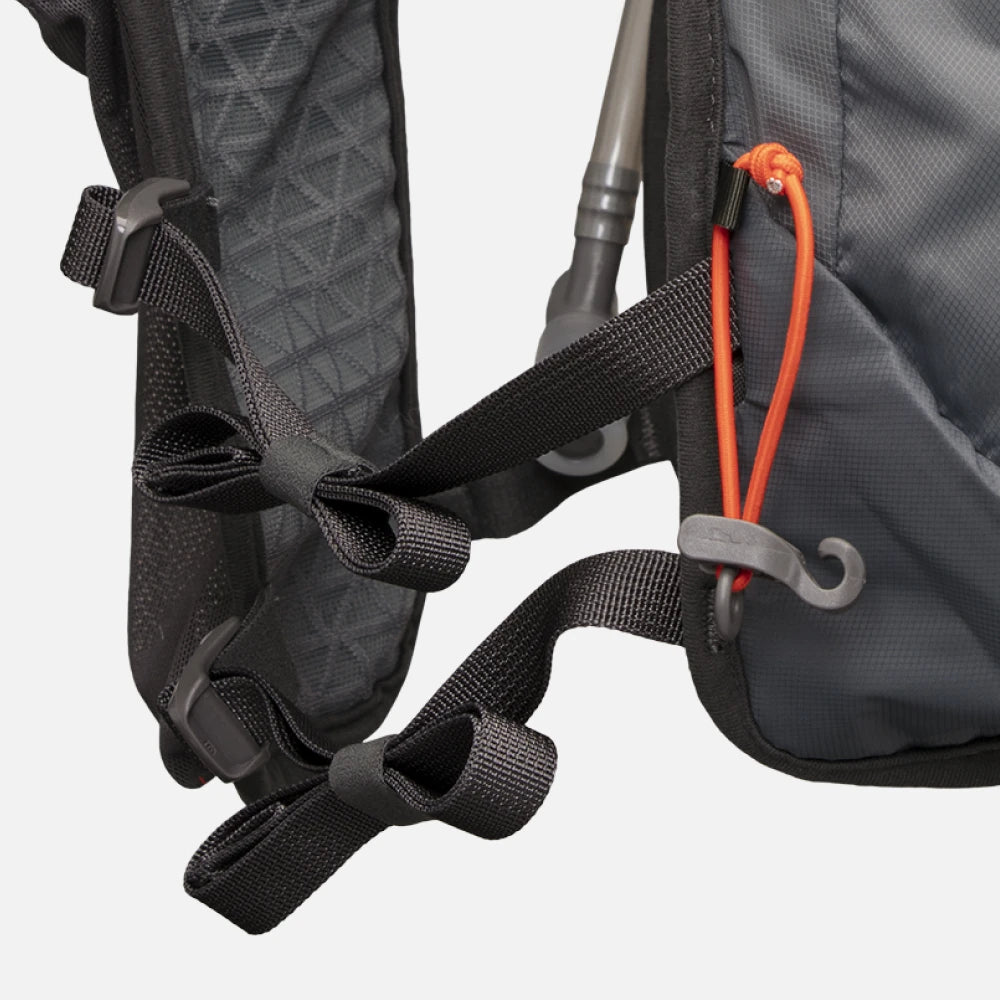
Strap slippage causes uneven weight and discomfort. Use strap keepers or clips to hold straps in place. Secure loose ends to stop them from flapping. Choose backpacks with anti-slip padding on straps. This helps straps grip your shoulders better and stay put during movement.
Adding Padding Or Accessories
Padded straps reduce pressure points and prevent soreness. You can buy extra padding or strap covers for comfort. Look for soft, breathable materials that avoid sweating. Some backpacks offer removable padding for customization. Small accessories like strap cushions can make long hikes easier.
Frequently Asked Questions
How Tight Should Backpack Straps Be For Comfort?
Backpack straps should be snug but not too tight. They must hold the bag close to your body without digging into your shoulders.
How Do I Balance Weight Using Backpack Straps?
Adjust both shoulder straps evenly to distribute weight. Use the chest or waist strap to help stabilize the load.
Can Loose Backpack Straps Cause Pain Or Injury?
Yes, loose straps cause the backpack to swing and strain muscles. This can lead to shoulder, back, and neck pain.
How Often Should I Adjust My Backpack Straps?
Adjust straps every time you put on your backpack. This keeps the fit comfortable and prevents pressure points during use.
Conclusion
Adjusting backpack straps correctly makes a big difference in comfort. Tighten or loosen straps to fit your body shape well. Keep the weight close to your back for balance. Check straps often during use to avoid pain or strain. A well-fitted backpack helps you carry items easily and safely.
Take a moment to adjust straps before each trip. Your shoulders and back will thank you with less discomfort. Small changes lead to better support and happier travels.