Last Updated on August 24, 2026
Planning a backpacking trip? One of the biggest questions on your mind might be: What clothing do you really need?
Packing the right clothes can make your adventure comfortable, safe, and even more fun. But how do you choose what to bring without overloading your backpack? This guide will help you pick the perfect clothing for any backpacking trip, so you can focus on enjoying the journey ahead.
Keep reading to discover simple tips and must-have items that will keep you prepared no matter where you’re headed.
Essential Clothing Layers
Choosing the right clothing layers is key for any backpacking trip. Layers help you stay comfortable and safe. They adapt to changing weather and activity levels. Good layering keeps you dry, warm, and shielded from wind or rain.
Each layer has a specific job. Together, they create a system that works well outdoors. Understanding these layers helps you pack smart and travel light.
Base Layers For Comfort
Base layers sit next to your skin. They pull moisture away to keep you dry. Dry skin feels warmer and stops chafing. Look for materials like merino wool or synthetic fabrics. Avoid cotton, which traps sweat and cools you down.
Choose base layers that fit snugly but are not tight. They help regulate your body temperature during hiking or resting. Long sleeves and leggings provide extra coverage in cold weather.
Insulating Layers For Warmth
Insulating layers trap heat close to your body. They keep you warm when temperatures drop. Fleece and down jackets work well for insulation. Synthetic insulation can stay warm even if damp.
Pick layers that are lightweight and compressible. You want warmth without bulk. Layering allows you to add or remove insulation as needed. This flexibility is essential for changing mountain or forest climates.
Outer Layers For Protection
Outer layers shield you from wind, rain, and snow. Waterproof jackets and pants keep you dry. Look for breathable fabrics that let sweat escape. Without breathability, moisture builds up inside your clothes.
Windproof jackets block cold gusts that steal body heat. Durable materials protect against scratches from branches or rocks. An adjustable hood and cuffs improve fit and protection. Your outer layer should be easy to put on or take off quickly.

Credit: www.iheartpacificnorthwest.com
Choosing Durable Fabrics
Choosing durable fabrics is key for any backpacking trip. The right materials protect you from weather and last through rough use. They also keep you comfortable and dry. Durable fabrics resist tears and hold up after many washes. Picking the best fabric helps you carry less weight without losing quality.
Breathable And Moisture-wicking Materials
Breathable fabrics let air flow easily. This helps keep your skin cool and dry. Moisture-wicking materials pull sweat away from your body. They dry faster and stop chafing. Look for fabrics like polyester or nylon blends. These keep you comfortable during long hikes.
Quick-drying Options
Quick-drying fabrics save time and space. Wet clothes can cause discomfort and chill. Choose materials that dry within hours, not days. This allows you to wash and reuse clothes on the trail. Lightweight synthetics and some wool types dry fastest. Avoid cotton; it stays wet and heavy.
Lightweight And Packable Fabrics
Backpack space is limited. Lightweight fabrics reduce your load and fit easily. Packable materials fold small without losing shape. Look for thin but strong textiles. These fabrics balance weight and durability. They make carrying your gear easier and more efficient.
Clothing For Different Weather
Choosing the right clothes for different weather is key for any backpacking trip. Weather can change fast outdoors. Carrying the right gear keeps you safe and comfortable. Packing smart means less weight and more fun.
Warm Weather Gear
Pick lightweight clothes that breathe well. Cotton is heavy when wet, so avoid it. Use moisture-wicking fabrics like polyester or nylon. Shorts and short-sleeve shirts work best. A wide-brim hat protects your face from sun. Don’t forget sunglasses and sunscreen. Breathable socks prevent blisters. Sandals can be good for water crossings.
Cold Weather Essentials
Layering is the secret to staying warm. Start with a thin base layer that keeps sweat away. Add an insulating middle layer like fleece or down. Finish with a windproof outer layer. Warm gloves and a hat keep extremities safe. Wool socks keep your feet dry and warm. Avoid cotton here too—it traps moisture. Carry a thermal blanket for emergencies.
Rain And Wind Protection
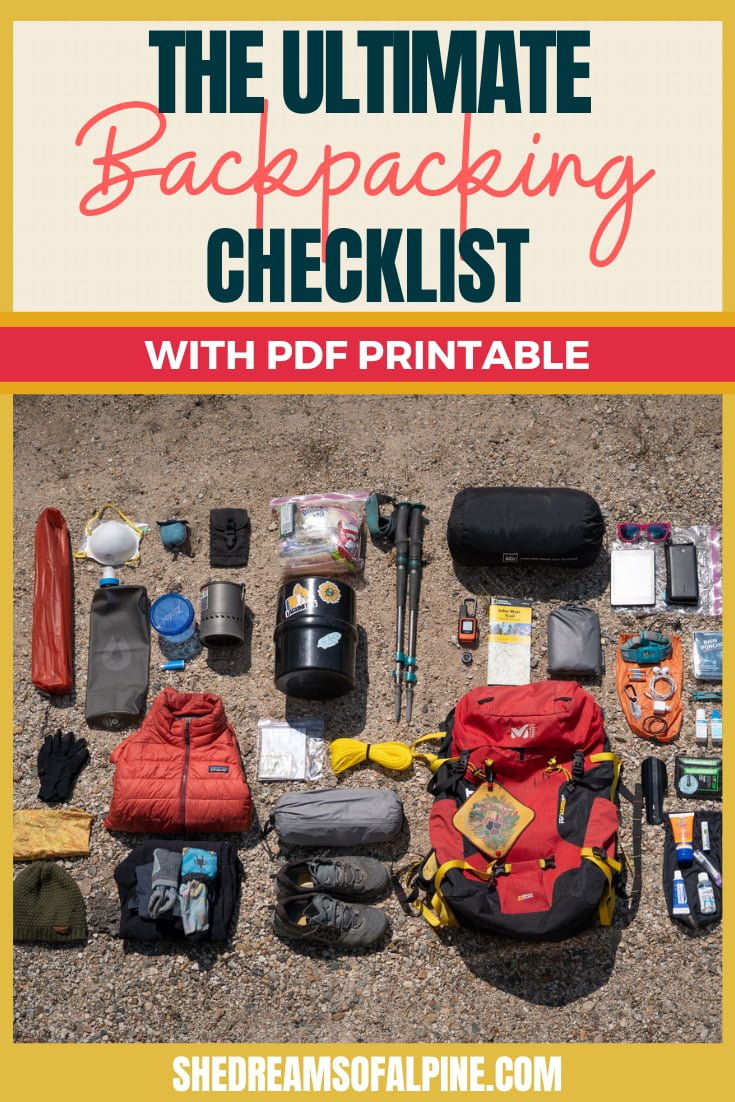
Rain gear is a must in wet climates. Pack a lightweight, waterproof jacket with a hood. Waterproof pants keep your legs dry. Look for breathable fabrics that stop rain but let sweat escape. Windproof jackets block cold gusts. Use a rain cover for your backpack. Waterproof shoes or gaiters protect your feet. Quick-drying clothes prevent chills after rain.

Credit: hilltoppacks.com
Credit: www.shedreamsofalpine.com
Frequently Asked Questions
What Are The Essential Clothes For Backpacking Trips?
Essential clothes include quick-dry shirts, lightweight pants, and a warm jacket. Layering helps adjust to changing weather. Don’t forget moisture-wicking socks and a raincoat.
How Many Clothing Layers Should I Pack For Backpacking?
Pack three layers: a base layer for moisture, an insulating layer for warmth, and an outer layer for protection. This system keeps you comfortable in most conditions.
Can I Wear Regular Clothes For Backpacking Trips?
Regular clothes can work but may not dry fast or protect well. Outdoor-specific clothes are lighter and better at managing sweat and weather. They also last longer on trails.
What Type Of Footwear Is Best For Backpacking?
Choose sturdy hiking boots or trail shoes with good grip and ankle support. Comfort and fit matter most to avoid blisters and injuries. Break them in before your trip.
Should I Pack Extra Clothes For Backpacking?
Yes, packing extra socks and underwear is important to stay dry and clean. A spare shirt and pants can help if you get wet or dirty. It prevents discomfort and sickness.
Conclusion
Choosing the right clothes makes your backpacking trip easier and safer. Pack light but include layers for changing weather. Breathable, quick-dry fabrics keep you comfortable all day. Don’t forget sturdy shoes and rain gear. Keep your clothes simple and versatile.
This way, you carry less and enjoy more. Happy trails!