Last Updated on August 24, 2026
Have you ever felt tired or achy legs after a long day of standing or sitting? You’re not alone.
Many people struggle with leg discomfort without knowing there’s a simple solution—compression socks. But what exactly are these socks, and could they make a real difference for you? Keep reading to discover how compression socks work, who can benefit from them, and whether they might be the key to healthier, more comfortable legs.
Don’t miss out on learning how this small change could improve your daily life.
Credit: www.riversideonline.com
What Compression Socks Are
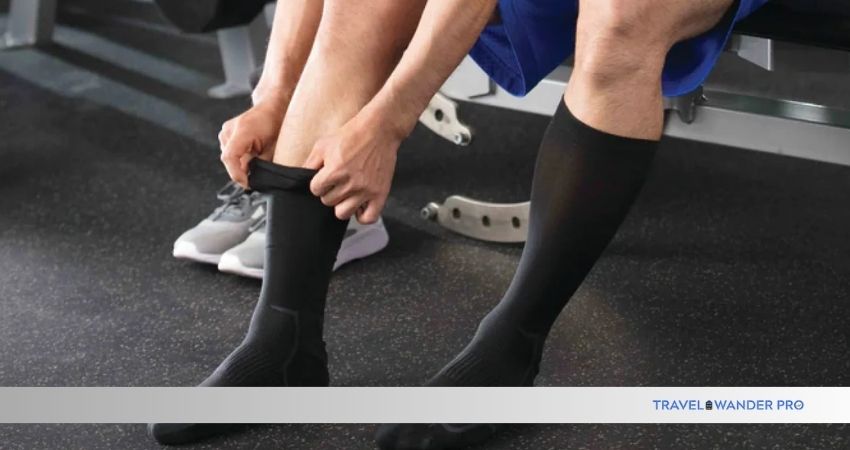
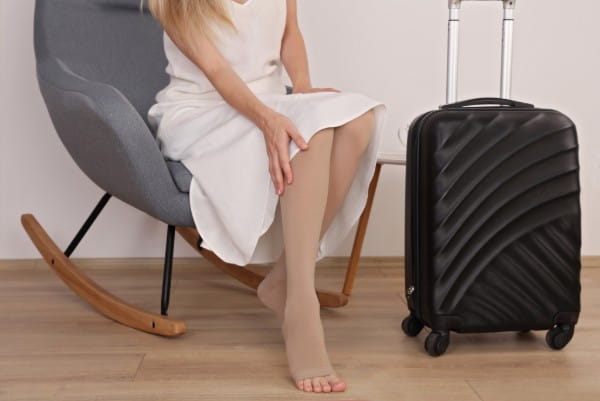
Compression socks are special socks designed to help your legs feel better. They apply gentle pressure on your legs and feet. This pressure helps blood flow more easily. Many people use them during long flights, sports, or if they stand for hours.
These socks are not like regular socks. They have unique materials and a special design to provide support. Let’s explore what makes compression socks different and how they work.
Materials And Design
Compression socks are made from stretchy fabrics. Common materials include nylon, spandex, and cotton blends. These fabrics stretch tightly around your legs but stay comfortable. The tight fit helps apply even pressure from your ankles upwards.
The design often features a snug fit at the ankle and looser fit near the calf. This design helps push blood back toward your heart. Some socks also have extra padding to protect your feet during activities.
How They Work
Compression socks work by squeezing your legs gently. This squeeze helps your veins move blood more efficiently. Better blood flow reduces swelling and tiredness in your legs.
They also help prevent blood clots and improve oxygen delivery to muscles. Doctors often recommend them for people with circulation problems or after surgery. Athletes wear them to recover faster after workouts.
Credit: drmotionsocks.com
Benefits Of Wearing Compression Socks
Wearing compression socks offers many health benefits. These socks apply gentle pressure to your legs. This pressure helps support your veins and improves blood flow. People wear them to feel better and protect their leg health.
Improving Circulation
Compression socks help push blood upward toward your heart. This stops blood from pooling in your lower legs. Better circulation means more oxygen reaches your muscles. It also helps reduce tiredness and heaviness in your legs. Many people find their legs feel lighter and more comfortable.
Reducing Swelling And Fatigue
Swelling often happens after standing or sitting for long times. Compression socks gently squeeze your legs to lower swelling. This helps remove extra fluid that causes puffiness. Wearing these socks can also reduce muscle fatigue. Your legs recover faster after exercise or long days.
Preventing Blood Clots
Blood clots can form when blood moves slowly or pools. Compression socks keep blood flowing smoothly. They lower the risk of dangerous clots in your legs. Doctors often recommend them after surgery or during long flights. These socks provide an easy way to protect your health.
Who Should Consider Compression Socks
Compression socks help improve blood flow in your legs. They fit snugly around your calves and feet. Many people find them useful for different reasons. Certain groups benefit the most from wearing compression socks daily or during specific activities.
Below are some groups of people who should consider using compression socks for comfort and health.
Athletes And Active Individuals
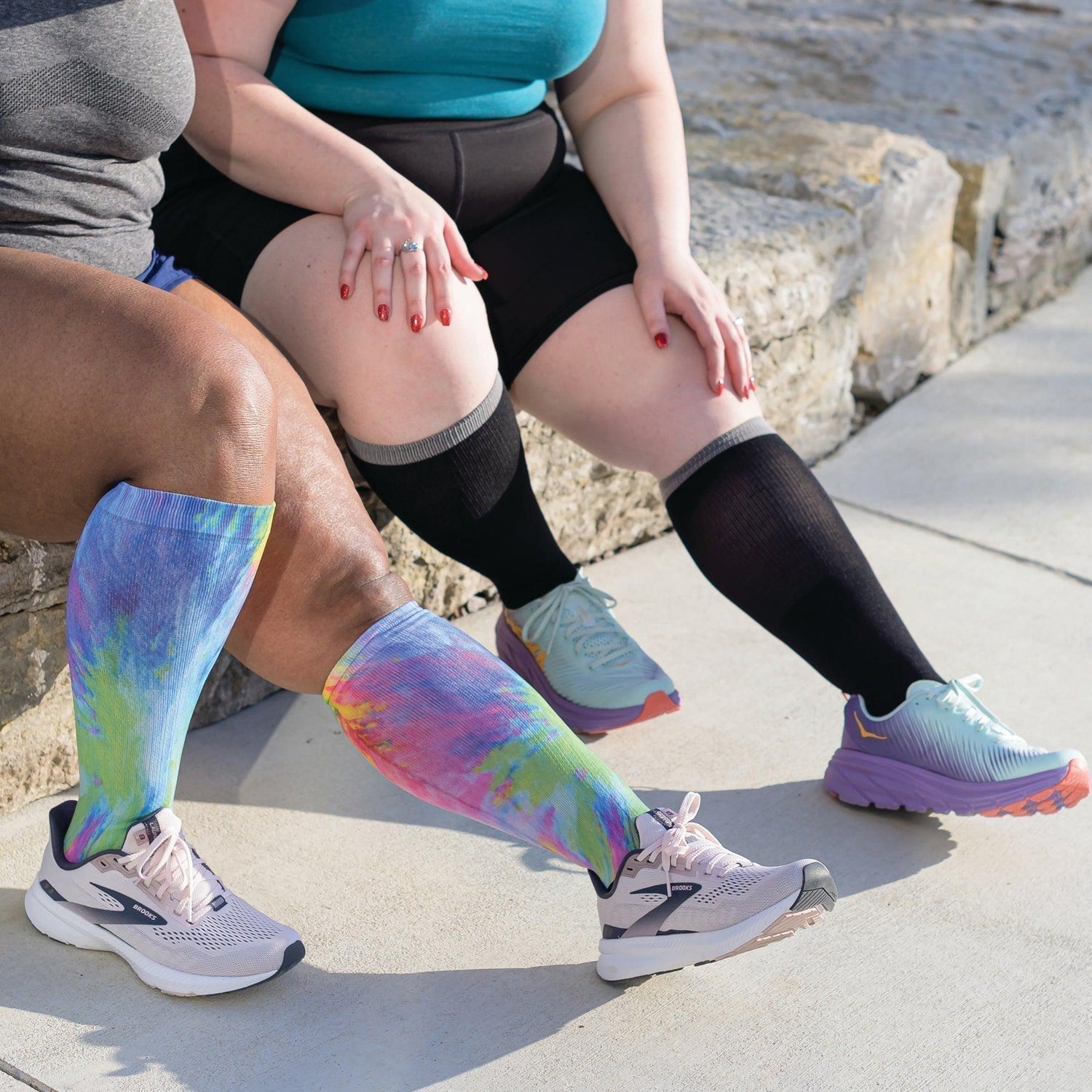
Athletes often wear compression socks during and after workouts. They help reduce muscle soreness and speed up recovery. These socks support blood flow, which lowers the chance of injuries. Runners, cyclists, and gym goers find them helpful for longer training sessions.
People With Medical Conditions
Compression socks are important for those with medical issues. Conditions like varicose veins, swollen legs, or poor circulation benefit from wearing them. Doctors often recommend these socks to prevent blood clots. They also help people with diabetes manage leg discomfort.
Travelers And Desk Workers
Long periods of sitting can cause leg swelling and discomfort. Travelers on flights and office workers benefit from compression socks. These socks reduce swelling and improve circulation. Wearing them can prevent stiffness and leg pain during long trips or work hours.
Credit: crazycompression.com
Frequently Asked Questions
What Are Compression Socks Made Of?
Compression socks are usually made from nylon, spandex, and cotton. These materials provide stretch and support to your legs. They help improve blood flow without being too tight.
How Do Compression Socks Improve Blood Circulation?
Compression socks gently squeeze your legs to help blood flow back to the heart. This reduces swelling and the risk of blood clots. It also helps tired or achy legs feel better.
Who Should Wear Compression Socks Regularly?
People who stand or sit for long hours, pregnant women, and travelers often wear them. They also help those with varicose veins or poor circulation. Athletes use them for faster recovery.
Can Compression Socks Prevent Deep Vein Thrombosis (dvt)?
Yes, compression socks help lower the risk of DVT by improving blood flow. They reduce swelling and stop blood from pooling in the legs. This is useful during long flights or bed rest.
How Do I Choose The Right Compression Sock Size?
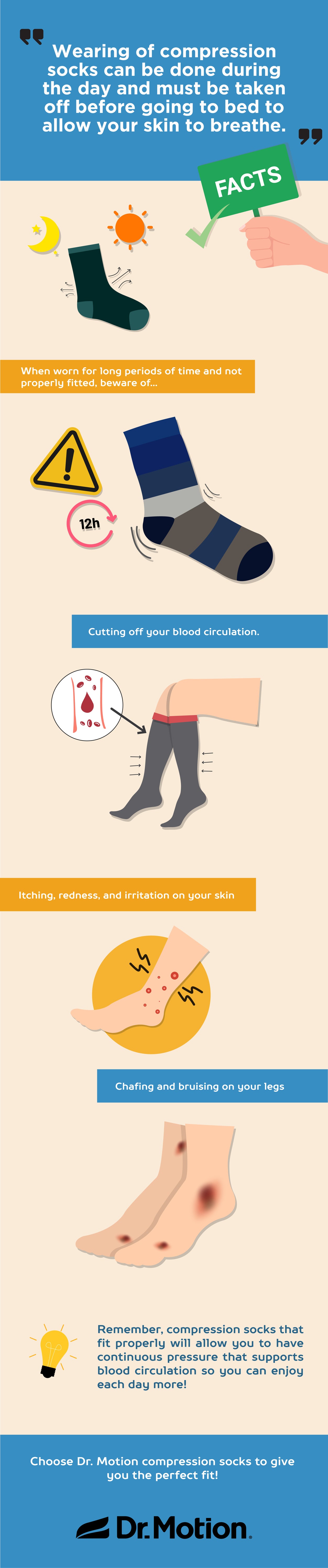
Measure your calf and ankle to find the correct size. Socks that are too tight can cause discomfort, and too loose won’t help. Most brands offer size charts to guide you.
Conclusion
Compression socks help improve blood flow and reduce swelling. They can ease tired legs and prevent discomfort. Many people benefit from wearing them daily. Athletes, travelers, and those who stand a lot find relief. Choosing the right pair depends on your needs.
Talk to a doctor if unsure about use. Simple support can make a big difference in comfort. Give compression socks a try for healthier legs.