Last Updated on August 2, 2026
Imagine carrying your backpack effortlessly, feeling free to explore every corner without being weighed down. Packing light for a backpacking trip isn’t just about saving space—it’s about making your adventure easier, more enjoyable, and stress-free.
You might be wondering how to fit everything you need into a small bag without missing out on essentials. You’ll discover simple, practical tips that help you pack smart and travel light. Ready to lighten your load and boost your travel experience?
Let’s dive in!
Choosing Essential Gear
Choosing the right gear is the key to packing light without sacrificing comfort or safety on your backpacking trip. Every item you carry should have a purpose and add real value to your journey. Think about what you truly need versus what just feels nice to have. This mindset helps you keep your pack light and your experience enjoyable.
Selecting Lightweight Backpacks
Your backpack is the foundation of your packing strategy. A lightweight backpack reduces strain on your shoulders and back, giving you more energy for the trail. Look for backpacks made with durable yet light materials like ripstop nylon, and aim for a pack weight under 3 pounds if possible.
Adjustability matters too. A backpack with customizable straps and hip belts can improve comfort and balance, especially when carrying minimal gear. Ask yourself: does this pack fit my frame well, and can it hold all my essentials without extra bulk?
Multipurpose Clothing Choices
Clothing takes up a lot of space, so choose pieces that serve more than one purpose. Merino wool shirts, for example, wick moisture, resist odor, and keep you warm even when damp. A lightweight jacket that doubles as a rain shell and windbreaker means fewer items in your bag.
Think about layering. Instead of packing heavy sweaters, pack several thin layers you can add or remove depending on the weather. Have you picked clothes that dry quickly and pack small? These details make a big difference on the trail.
Compact Sleeping Solutions
Sleep is crucial, but bulky sleeping gear can weigh you down. Opt for a sleeping bag rated just for the temperatures you expect, not one designed for extreme cold. Compressible sleeping bags and inflatable sleeping pads save space and weight while providing comfort.
Consider a quilt instead of a full sleeping bag—quilts are lighter and more versatile. Do you have a sleeping setup that fits easily into your pack and won’t slow you down? If not, it’s time to rethink your choices.
Credit: pangolinswithpacks.com
Smart Packing Techniques
Packing light is key to enjoying any backpacking trip. Smart packing techniques help save space and keep your bag organized. These tips make carrying your backpack easier. You can fit more gear without extra weight. Let’s explore some effective ways to pack smart.
Rolling Vs Folding Clothes
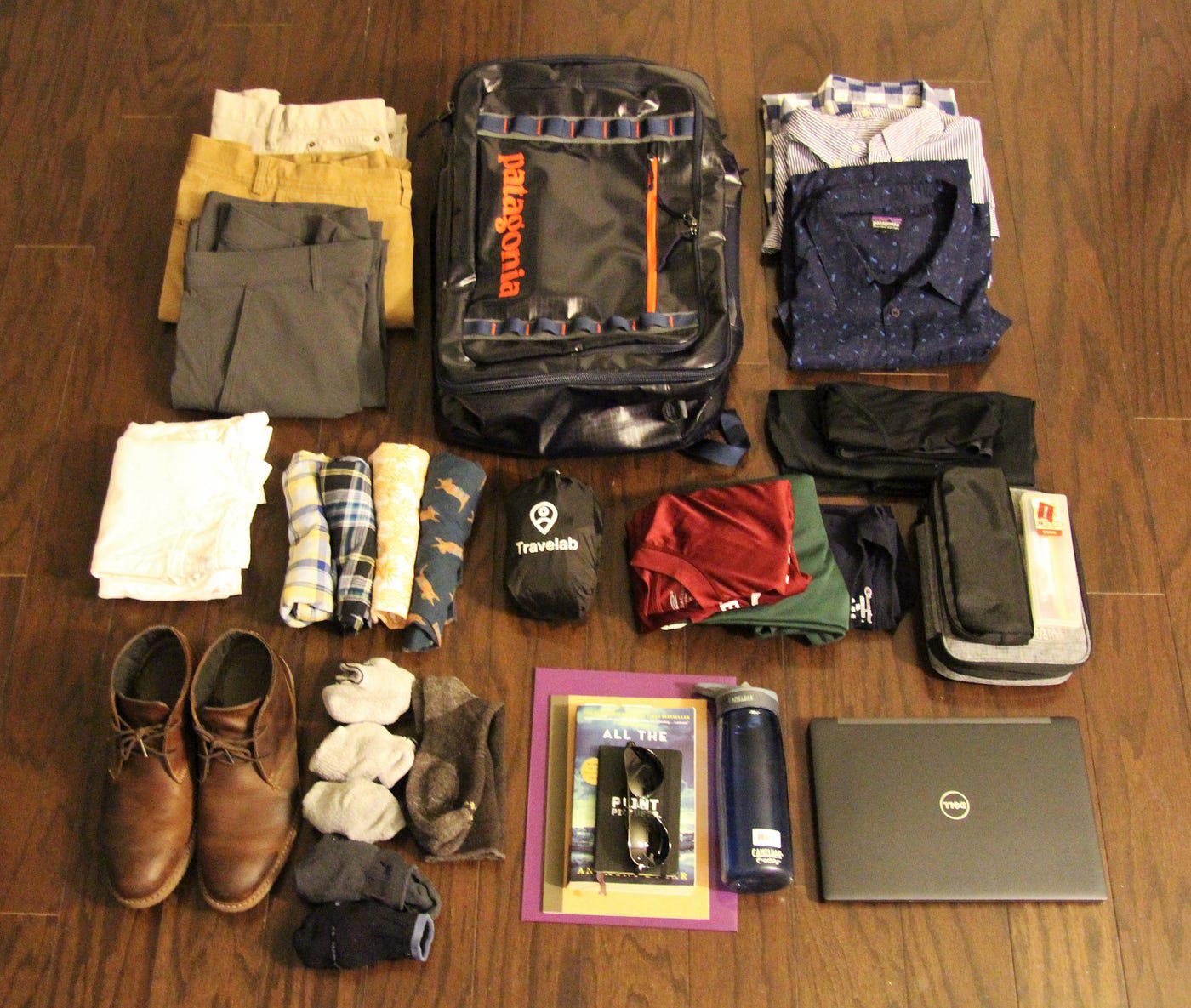
Rolling clothes reduces wrinkles and saves space. Clothes stay compact and fit better inside your bag. Folding works well for bulky or stiff items. Rolling is best for soft fabrics like t-shirts and pants. Try both methods to see which suits your clothes. Rolling creates a tight bundle. Folding keeps shirts and jackets neat.
Organizing With Packing Cubes
Packing cubes separate clothes and gear by category. They keep your bag tidy and easy to search. Use different cubes for shirts, underwear, and electronics. Cubes compress items, freeing up extra room. They protect clothes from getting dirty or wrinkled. Choose cubes in bright colors to spot items fast. This simple tool improves packing efficiency.
Balancing Weight Distribution
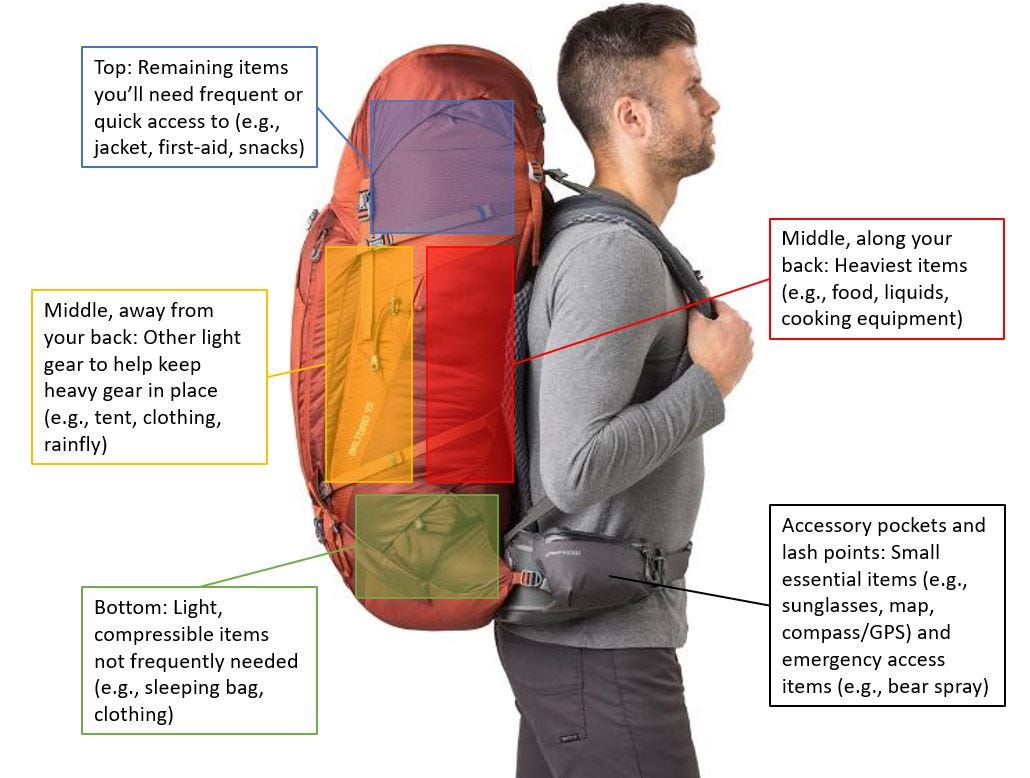
Place heavy items close to your back for comfort. Keep lighter items near the top and front of the pack. Balance weight on both sides to avoid strain. Distribute gear evenly to maintain stability. This prevents back pain and helps with walking long distances. Pack smart to keep your body steady on trails.
Maintaining Minimalist Habits
Maintaining minimalist habits is key to packing light for any backpacking trip. It helps reduce the load and keeps your journey stress-free. Minimalism means carrying only what truly matters. This approach saves space and energy while on the move. It also teaches you to value simplicity and essentials. Below are some practical ways to keep your packing minimalist.
Limiting Electronics And Gadgets
Electronics add weight and require batteries or charging. Choose only one device for multiple uses, like a smartphone. Avoid carrying extra gadgets such as tablets, cameras, or portable game consoles. Use apps that replace physical tools, like maps or guides. Carry essential chargers and cables but keep them minimal. This reduces clutter and lightens your bag significantly.
Prioritizing Necessities Over Extras
Focus on items that serve more than one purpose. Pack clothes that can be layered and easily mixed. Avoid bringing too many shoes or accessories. Bring only necessary toiletries in small containers. Skip items that you might use once or never. This habit keeps your backpack light and your choices simple. It also prevents overpacking and unnecessary weight.
Adapting To On-the-go Laundry
Plan to wash clothes during your trip instead of carrying many outfits. Use quick-dry fabrics that clean easily and dry fast. Bring a small laundry soap bar or packets. Wash clothes in sinks or rivers where possible. This reduces the need for bulky clothing and frees up space. Adapting to laundry on the go supports a minimalist lifestyle while backpacking.
Credit: pangolinswithpacks.com

Credit: www.thepackablelife.com
Frequently Asked Questions
What Are The Best Items To Pack For A Light Backpacking Trip?
Essentials include a lightweight tent, sleeping bag, clothes, food, water, and a first aid kit.
How Can I Reduce The Weight Of My Backpack Effectively?
Choose multipurpose gear, wear heavier clothes, and pack only what you truly need.
Why Is Packing Light Important For Backpacking?
It makes hiking easier, saves energy, and helps you move faster and longer.
How Do I Choose Clothes For A Light Backpacking Trip?
Pick quick-dry, lightweight, and layerable clothes that suit the weather and terrain.
Can I Carry Food Without Adding Much Weight?
Yes, select dehydrated meals, nuts, and energy bars that are light and nutritious.
Conclusion
Packing light brings freedom to your backpacking adventure. Each item you pack counts. Choose multipurpose clothes and lightweight gear. Leave non-essentials behind. Smart packing saves space and reduces weight. Enjoy more mobility on trails. Your back will thank you. Remember to prioritize comfort over style.
A lighter backpack means a happier journey. Experience nature without being weighed down. Packing smart makes travel more enjoyable. Embrace simplicity and focus on the journey. Packing light is the key to a memorable trip.