

Last Updated on February 18, 2026 by Ethan Miles
Flying long hours can take a serious toll on your body and mind. You might feel stiff, tired, or even catch a cold after landing.
But what if you could arrive feeling fresh and energized? Staying healthy on a long flight isn’t just luck—it’s about smart choices you make before and during your trip. You’ll discover simple, effective tips to keep your body hydrated, your muscles relaxed, and your energy up throughout the journey.
Ready to transform your travel experience? Keep reading to find out how you can take control of your health miles above the ground.
Credit: www.optimistdaily.com
Prepare Your Body Before The Flight
Preparing your body before a long flight sets the tone for how you will feel during and after the journey. Small choices made ahead of time can make a big difference in comfort, energy levels, and overall health. Taking a proactive approach helps you avoid common travel discomforts like dehydration, stiffness, and fatigue.
Hydrate Well
Drinking plenty of water before you board is crucial. Airplane cabins have very low humidity, which dries out your skin and mucous membranes quickly. I once flew without hydrating properly and ended up with a headache and dry throat that lasted days.
Try to drink at least 16 ounces of water in the hours before your flight. Avoid alcohol and caffeine as they can dehydrate you further. Carry a reusable water bottle and sip water regularly during the flight to keep your body balanced.
Choose Comfortable Clothing
Wearing the right clothes can change your flight experience significantly. Tight or restrictive clothing can cause discomfort and even affect circulation. I learned this the hard way on a 10-hour flight when tight jeans made my legs feel swollen and achy.
Opt for loose, breathable fabrics like cotton or moisture-wicking materials. Layer your outfit so you can adjust to fluctuating cabin temperatures. Don’t forget comfortable shoes that are easy to slip on and off during security checks.
Plan Healthy Meals
Your energy depends a lot on what you eat before flying. Airport food tends to be heavy and salty, which can make you feel sluggish. One time, I grabbed a fast-food meal before a flight and felt bloated and tired for hours afterward.
Pack or buy meals rich in protein, fiber, and healthy fats to keep your energy steady. Fresh fruits, nuts, and yogurt are great options. Consider eating smaller portions more frequently instead of a large meal just before boarding.
Credit: newblackvoices.nyc
Stay Active During The Flight
Staying active during a long flight helps reduce stiffness and improves circulation. Moving your body keeps your muscles from getting tight. It also lowers the risk of deep vein thrombosis. Small actions can make a big difference in comfort and health.
Simple Seat Exercises
You can do many exercises without leaving your seat. Try ankle circles to boost blood flow. Flex and point your toes several times. Tighten your leg muscles, hold for a few seconds, then release. Shoulder rolls and neck stretches help relieve tension. These moves keep your body loose and alert.
Walk The Aisles
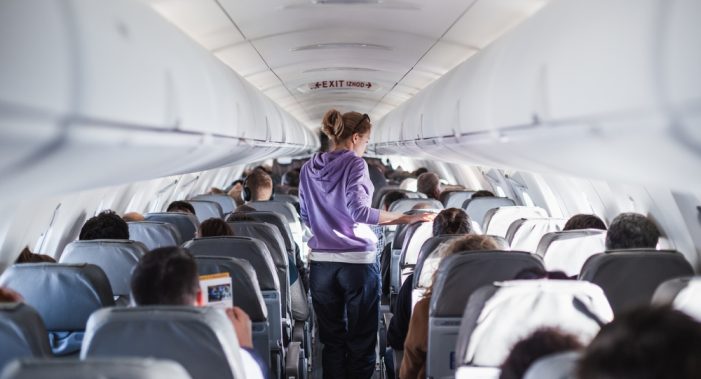
Take short walks up and down the aisle when the seatbelt sign is off. Walking helps prevent blood clots and eases muscle stiffness. It also gives your legs a break from sitting. Aim to move every hour or so to stay refreshed.
Stretch Regularly
Stretching is key on long flights. Reach your arms above your head and hold. Twist your torso gently to each side. Stretch your calves by pressing feet against the floor or seat base. These stretches improve flexibility and reduce discomfort.
Maintain Hygiene And Comfort
Staying healthy on a long flight means paying close attention to both hygiene and comfort. These two go hand in hand because feeling clean and comfortable helps reduce stress and keeps your body in better shape. Simple habits can make a big difference in how you arrive at your destination.
Use Sanitizing Wipes
Airplanes are full of germs, from tray tables to armrests. Wiping down your seat area with sanitizing wipes can cut down on the bacteria you come into contact with. I once skipped this step and ended up with an annoying cold, so I now always carry wipes in my carry-on.
Focus on high-touch areas like:
- Tray table
- Seatbelt buckle
- Armrests
- Touchscreens and buttons
Manage Sleep And Rest
Sleep is crucial for your immune system and overall well-being during long flights. Bringing a neck pillow and eye mask helps you rest better despite the cramped space and bright cabin lights. Have you noticed how a good rest on a plane makes you feel less jet-lagged?
Try these tips to improve sleep on board:
- Set your watch to the destination time before boarding
- Avoid caffeine and heavy meals before sleeping
- Use noise-canceling headphones or earplugs
Keep Skin Moisturized
The dry cabin air can leave your skin feeling tight and irritated. Applying a good moisturizer regularly during the flight helps maintain skin hydration. I keep a small tube of moisturizer in my bag and use it every few hours, especially on my hands and face.
Consider these to keep your skin happy:
- Use a gentle, fragrance-free moisturizer
- Drink plenty of water to support skin hydration
- Avoid alcohol and caffeine, which dry out your skin
Credit: www.lemon8-app.com
Frequently Asked Questions
How Can I Avoid Dehydration On A Long Flight?
Drink water regularly and avoid alcohol or caffeine to stay well hydrated during the flight.
What Are The Best Exercises To Do On A Plane?
Simple stretches and ankle circles help improve circulation and reduce stiffness while seated.
How Should I Eat To Stay Healthy During A Flight?
Choose light, balanced meals and avoid heavy, greasy foods to prevent discomfort and sluggishness.
Is It Important To Wear Compression Socks On Flights?
Yes, compression socks help reduce swelling and lower the risk of blood clots on long flights.
How Can I Improve Sleep Quality On A Plane?
Use a neck pillow, wear an eye mask, and block out noise to rest better in the air.
Conclusion
Staying healthy on long flights is essential for comfort. Drink water regularly. Stretch your legs often. Choose light meals that are easy to digest. Wear comfortable clothing to help circulation. Bring a neck pillow for better sleep. Try to move around the cabin when possible.
Listening to calming music or a podcast can help relax your mind. Follow these simple tips to arrive feeling refreshed and ready. Safe travels and stay healthy!