Last Updated on August 2, 2026
Traveling should be exciting, not stressful. But scams can quickly turn your dream trip into a nightmare.
You don’t want to lose money, miss out on experiences, or feel unsafe. What if you could spot these scams before they happen? What if you knew the simple steps to protect yourself every time you travel? You’ll discover easy ways to avoid travel scams and keep your journey smooth and enjoyable.
Keep reading—your next trip depends on it.

Credit: ameliaroseada.wordpress.com
Spotting Common Travel Scams
Travel scams can ruin any trip. Scammers use tricks to steal money or personal details. Spotting common travel scams helps travelers stay safe. Knowing their signs keeps your journey smooth and worry-free.
Fake Transportation Offers
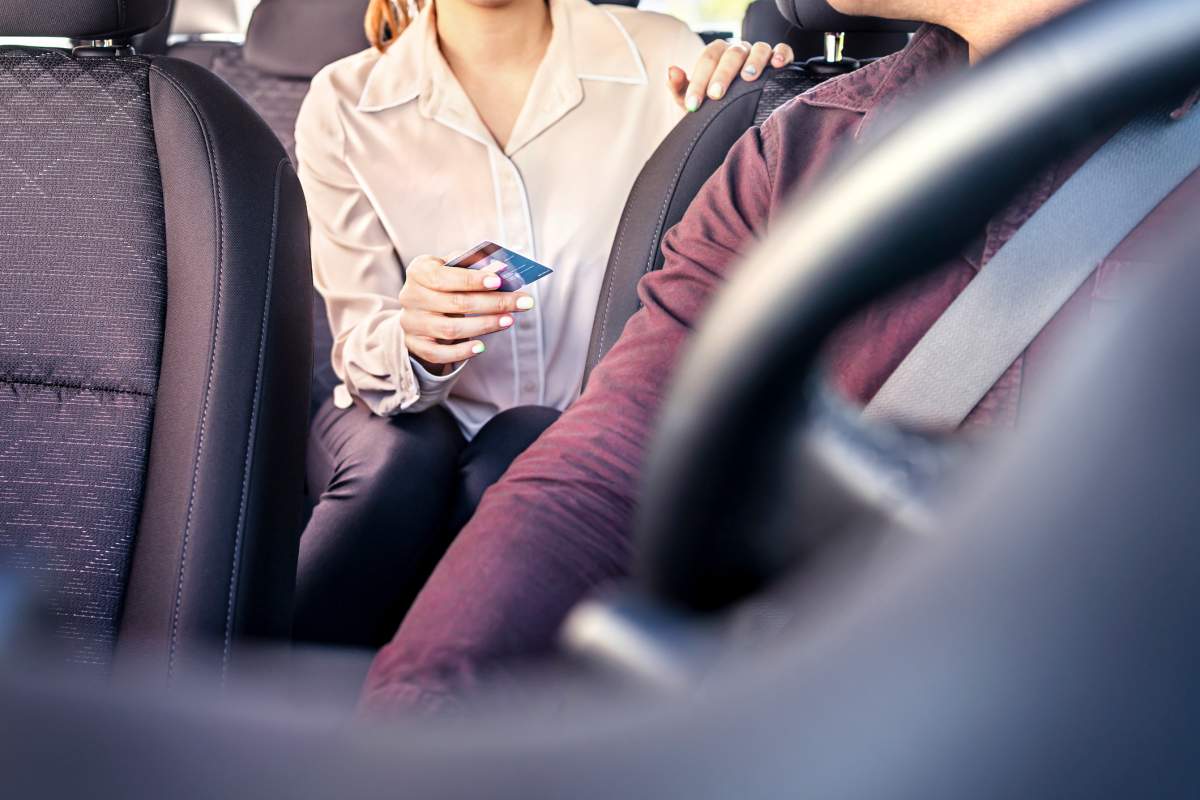
Scammers offer rides at very low prices. They might not have a real taxi or shuttle. Some drivers take longer routes to charge more. Always check official transport options before paying. Avoid accepting rides from strangers at airports or stations.
Phony Accommodation Deals
Fake hotel or rental listings lure travelers with great prices. Photos and descriptions may look real but are false. Scammers ask for payment before arrival and disappear. Use trusted booking sites and read reviews carefully. Confirm your reservation directly with the property.
Street Vendor Tricks
Street vendors sometimes use distraction to steal or overcharge. They may offer souvenirs or services at suspiciously low prices. Watch your belongings closely in busy areas. Agree on prices before buying anything. Be wary of vendors who pressure you to buy quickly.
Credit: globalnews.ca
Preparing Before You Go
Getting ready before your trip is your best defense against travel scams. Taking a few smart steps can save you from headaches and lost money. It’s about being proactive, not paranoid.
Research Trusted Sources
Start by gathering information from reliable travel websites, government advisories, and well-known travel forums. Check recent traveler reviews and warnings about your destination. Have you ever booked a tour only to find out it was a scam? Learning from others’ experiences helps you spot red flags early.
Use official sites for currency exchange rates, local transportation, and accommodation tips. Avoid shady deals or offers that sound too good to be true. Your safety depends on the quality of your research.
Secure Important Documents
Keep your passport, ID, and travel insurance details in a safe place. Make digital copies stored securely in your email or cloud. If your wallet goes missing, these copies will be your lifeline.
Consider using a travel money belt or hidden pouch to carry cash and cards discreetly. Do you carry everything in your backpack or split your valuables? Spreading out your essentials reduces the risk of losing everything at once.
Set Up Emergency Contacts
Save local emergency numbers and your country’s embassy contacts on your phone. Share your itinerary and contact details with a trusted friend or family member. This simple step can be a game-changer if you face trouble abroad.
Program quick-dial numbers for local police, medical help, and your accommodation. Planning for emergencies doesn’t mean expecting the worst—it means you’re ready to act fast if needed.
Staying Safe On The Road
Traveling offers incredible experiences, but it also exposes you to risks, especially scams targeting unsuspecting tourists. Staying safe on the road means being alert and prepared to protect yourself without spoiling your adventure. Simple habits can make a huge difference in avoiding common travel scams and keeping your journey smooth.
Avoid Sharing Too Much Information
It’s tempting to chat with friendly locals or new acquaintances, but be cautious about what you reveal. Sharing details like your hotel name, travel plans, or how much cash you carry can make you an easy target. Think twice before answering questions about your itinerary or where you’re headed next.
Once, I casually mentioned my next destination to a street vendor, only to notice suspicious behavior afterward. That experience taught me to keep travel details private, especially with strangers. How much do you really need to share to enjoy a conversation?
Use Official Services
Always choose official transportation, guides, and ticket counters. Unofficial taxis or tour operators might charge you extra or lead you into traps. Look for clearly marked vehicles, licensed guides, and verified websites when booking activities or rides.
If you’re unsure, ask your hotel or trusted locals for recommendations. I once hopped into a taxi without checking, and the driver took a longer route to inflate the fare. Avoid surprises like that by sticking to recognized services.
Trust Your Instincts
Your gut feeling is a powerful tool. If a deal sounds too good to be true or someone pressures you into quick decisions, pause and reconsider. Don’t feel obligated to say yes or keep talking if something feels off.
During a market visit, a vendor aggressively pushed me to buy overpriced souvenirs. I walked away immediately. Trusting your instincts can save you from scams and unnecessary stress. When was the last time your intuition helped you avoid trouble on the road?

Credit: www.threads.com
Frequently Asked Questions
What Are Common Travel Scams To Watch Out For?
Common scams include fake taxis, overcharging, fake tour guides, and pickpocketing.
How Can I Verify A Travel Service’s Legitimacy?
Check online reviews, official websites, and ask locals or your hotel staff.
What Steps Help Prevent Falling For Travel Scams?
Stay alert, avoid unsolicited offers, use official services, and keep valuables secure.
Why Is It Important To Research Destinations Before Traveling?
Research helps spot common scams and prepares you to avoid risky situations.
How Can I Safely Handle Money While Traveling?
Use small bills, avoid flashing cash, and carry a money belt or hidden pouch.
Conclusion
Travel scams can ruin your trip. Stay alert and informed. Research each destination. Check reviews and recommendations. Trust your instincts. Avoid deals that seem too good. Use secure payment methods always. Keep your personal information safe. Talk to locals for advice.
They often know best. Plan ahead and stay cautious. Your safety is important. Enjoy your travels with peace of mind. Safe travels lead to great memories. Remember these tips. Travel smart and stay safe.