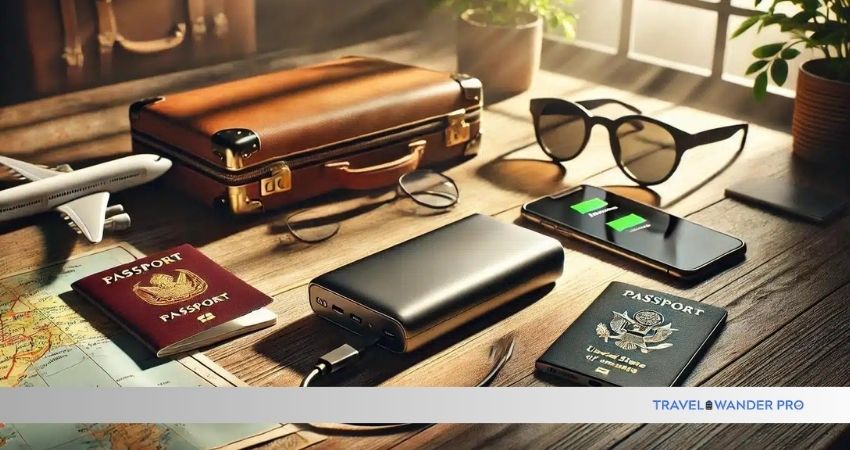
Pick a compact, high-capacity power bank with fast charging and airline-safe capacity.
How to Choose a Power Bank for Travel can feel tricky, but I’ll walk you through clear, practical steps drawn from years of travel and product testing. I’ve used and reviewed dozens of banks across flights, road trips, and remote hikes, so this guide blends hands-on experience with safety and tech basics to help you pick the right unit for your trips.
Why How to Choose a Power Bank for Travel Matters
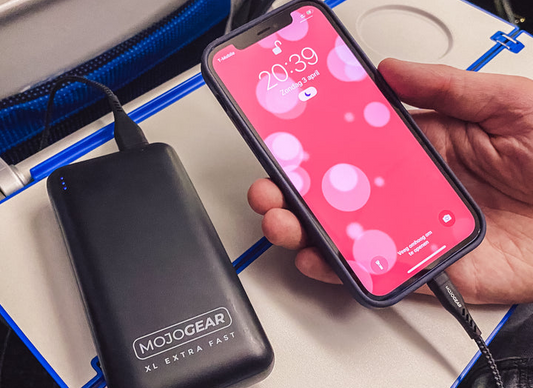
Travel drains devices fast. Phones, cameras, tablets, and portable Wi-Fi eat battery life. Knowing how to choose a power bank for travel saves time, stress, and money when outlets are scarce.
Picking the wrong bank can mean weight you regret, a banned item at the airport, or devices that still charge slowly. This section explains the key factors that matter on the road and in the sky. Read on to avoid common traps and choose a power bank that fits your travel style.

How to Choose a Power Bank for Travel: Capacity Explained
Capacity is the number one spec people check. It’s measured in milliamp-hours (mAh). Higher mAh usually means more charges, but it can also mean more weight.
To estimate what you need, follow these rough rules:
- For a single day of heavy phone use, aim for 10,000 mAh.
- For multi-day travel or multiple devices, aim for 20,000 mAh or more.
- For ultra-light travel, 5,000–8,000 mAh will top off a phone once.
Remember that rated mAh is at the battery cell voltage, not device voltage. Expect about 60–80% real-world efficiency. So a 10,000 mAh bank often gives 6,000–8,000 mAh of usable power. This matters when you decide how many full charges you really get.

How to Choose a Power Bank for Travel: Ports and Charging Speed
Ports determine which devices you can charge and how fast they charge. Look for the right mix of USB-A, USB-C, and, if needed, wireless charging.
Consider these points:
- USB-C Power Delivery (PD) is best for fast charging laptops and phones.
- USB-A Quick Charge is useful for older phones and accessories.
- Multiple ports let you charge more than one device at once, but total output may split between ports.
Wattage matters. A 30W USB-C PD port will charge a laptop slowly but will fast-charge most phones. A 65W or higher bank will handle larger laptops. Match port power to your device needs and avoid underpowered banks that charge devices too slowly.

How to Choose a Power Bank for Travel: Size, Weight, and Build
A travel power bank should fit your pack and your patience for extra weight. Bigger capacity usually adds weight and size.
Use this quick guide:
- Pocket-friendly: 5,000–10,000 mAh. Light and good for day trips.
- Backpack-friendly: 10,000–20,000 mAh. Balanced choice for most travelers.
- Heavy-duty: 20,000+ mAh. Best for long trips, equipment charging, or group use.
Also check the build. Metal cases last longer but may weigh more. Plastic can be light but cheaper. Water resistance or a rugged shell helps for outdoor trips. Think about how often you’ll carry it and where it will live in your bag.
How to Choose a Power Bank for Travel: Safety and Certifications
Safety is critical. Power banks contain lithium batteries. Poor design or fake cells can fail.
Look for these safety signals:
- Built-in protections for overcharge, short circuit, overcurrent, and temperature.
- Certification marks and compliance with transport rules.
- Manufacturer reputation and customer reviews mentioning longevity and safety.
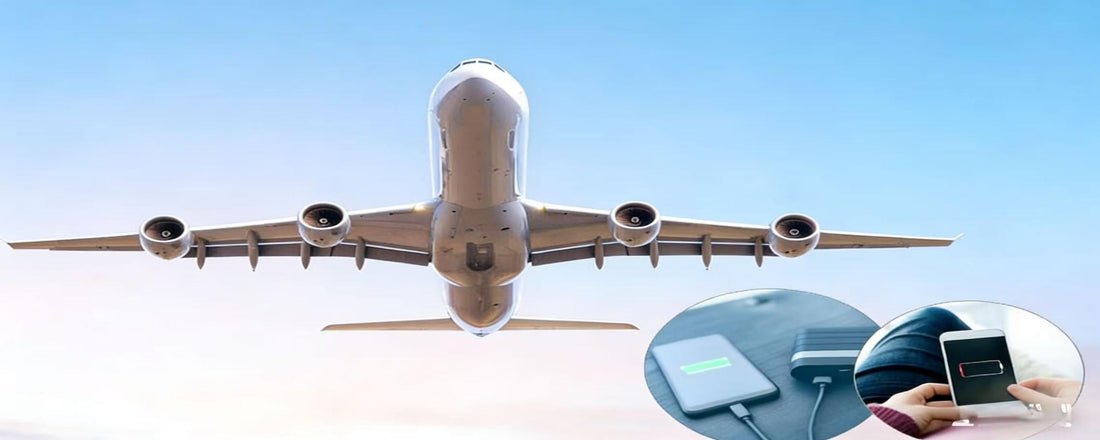
When you travel by air, airlines and regulators limit battery capacity. Banks under 100 Wh are generally allowed in carry-on. Many makers list watt-hours; if not, convert mAh to Wh using voltage (Wh = mAh × V / 1000). Always pack power banks in carry-on, not checked luggage.

How to Choose a Power Bank for Travel: Airline Rules and Packing Tips
Airline rules matter more than ever. Knowing limits avoids delays or confiscation at security.
Key travel rules:
- Most airlines allow power banks up to 100 Wh in carry-on without approval.
- Power banks between 100 Wh and 160 Wh often need airline approval and are limited to two units.
- Power banks over 160 Wh are usually prohibited for passenger carriage.
Pack the bank in your carry-on. Tape over exposed terminals or use the maker’s cover if you have it. Carry proof of capacity if possible. If you travel internationally, double-check rules with your airline before you fly.

Personal Experience: How to Choose a Power Bank for Travel
I once brought a heavy 26,800 mAh bank on a weeklong trip. It charged everything twice, but it slowed my walks and drew comments at security. After that, I switched to a 20,000 mAh USB-C PD bank and a small 5,000 mAh pocket unit. That combo worked better.
Lessons I learned:
- Balance capacity and weight for your trip length.
- Test charging speeds at home before travel.
- Carry a small, fast pocket bank for day use and a larger bank in your main bag.
Real trips taught me to prioritize fast charging and USB-C PD. That made recharging quick during short breaks and kept my devices ready for navigation and photos.
Buyer’s Checklist: How to Choose a Power Bank for Travel
Use this checklist when shopping. It saves time and reduces regret.
Quick checklist:
- Check capacity in mAh and convert to Wh if needed.
- Confirm ports and power output (USB-C PD, wattage).
- Verify safety protections and certifications.
- Weigh the unit and compare to your packing style.
- Read recent user reviews for real-world reliability.
- Check airline rules for the rated Wh.
- Consider warranty and brand support.
If you follow this list, you’ll pick a power bank that fits travel needs and airport rules.
Frequently Asked Questions of How to Choose a Power Bank for Travel
How much capacity do I need for a week-long trip?
For a week, aim for 20,000 mAh or more if you have heavy device use, or combine a 10,000 mAh bank with a small backup for lighter needs. Always consider device efficiency and charging habits.
Can I take a power bank in checked baggage?
No. Power banks should go in carry-on luggage only due to fire risk. Checked baggage rules can lead to confiscation or penalties.
How do I convert mAh to Wh for travel rules?
Use the formula Wh = (mAh × V) / 1000, where V is battery voltage (often 3.7V). This gives the watt-hours airlines require for limits.
Is wireless charging good for travel?
Wireless charging adds convenience but lowers efficiency and adds weight. It’s handy for short stops but not ideal as your only travel charger.
Will a high-capacity bank charge my laptop?
Only if it supports sufficient USB-C PD wattage for your laptop. Check your laptop’s required wattage and match the bank’s PD output.
Conclusion
Choosing the right travel power bank comes down to matching capacity, ports, weight, safety, and airline rules to your trip. Test your gear, read labels carefully, and pick a reliable brand with clear specs. Start by listing what devices you need to charge and how many full charges you want, then use the buyer’s checklist to make a confident choice. Try one of the recommended setups on your next trip, and leave a comment sharing what worked for you or what questions you still have.