
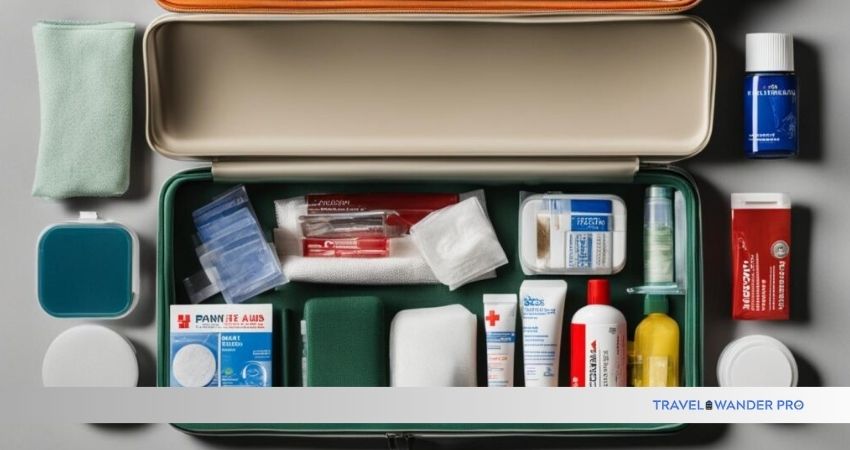
When you’re heading out on a trip, having a well-packed first aid kit isn’t just smart—it could save your day, or even your life. But what exactly should you include in your travel first aid kit?
You want to be ready for cuts, aches, or unexpected mishaps without carrying a bulky bag. This guide will help you pack the perfect kit tailored to your needs, so you can travel with confidence and peace of mind. Keep reading to discover the essential items you can’t afford to leave behind.
Essential Medical Supplies
A well-stocked travel first aid kit keeps you ready for minor injuries. It helps treat cuts, scrapes, burns, and other common issues. Essential medical supplies form the core of any first aid kit. These items provide quick relief and prevent infections.
Choosing the right supplies is important. They should be easy to use and cover basic medical needs. Here are the must-have items for your travel first aid kit.
Bandages And Dressings
Bandages protect wounds from dirt and bacteria. Use adhesive bandages for small cuts and blisters. Larger wounds need sterile gauze pads or dressings. Wrap dressings with medical tape to keep them secure. Elastic bandages help support sprains and strains. Always include a variety of sizes to handle different injuries.
Antiseptics And Ointments
Antiseptics clean wounds and kill germs. Use antiseptic wipes or solutions for quick cleaning. Antibacterial ointments help prevent infection and speed healing. Apply ointments on cuts, scrapes, and insect bites. Avoid strong chemicals that may irritate the skin. Choose gentle but effective antiseptic products for travel.
Pain Relievers And Medications
Pain relievers ease headaches, muscle pain, and fever. Carry common options like acetaminophen or ibuprofen. Include antihistamines for allergic reactions and insect bites. Bring any personal prescription medications as well. Keep all pills in labeled containers for easy use. These medicines make travel safer and more comfortable.

Credit: survivalfirstaidkits.com
Tools And Equipment
Having the right tools and equipment in a travel first aid kit helps you handle common injuries fast. Basic tools make a big difference in emergencies. They allow you to clean wounds, check for fever, and protect yourself and others.
Tweezers And Scissors
Tweezers remove splinters, ticks, or small objects from the skin. They must be strong and easy to use. Scissors cut tape, gauze, or clothing in an emergency. Choose scissors with a blunt tip for safety.
Thermometer And Gloves
A thermometer checks if someone has a fever. Digital types are quick and easy to read. Gloves protect you from germs and blood. Use disposable gloves to keep everything clean and safe.
Emergency Blanket And Cpr Mask
An emergency blanket keeps a person warm after shock or cold exposure. It is lightweight and fits in any kit. A CPR mask helps give rescue breaths safely. It protects both the giver and receiver during CPR.
Personal And Specialty Items
Personal and specialty items in a travel first aid kit help manage unique health needs. These items support daily health routines and sudden emergencies. Carrying them ensures comfort and safety during your trip.
Allergy Medications And Inhalers
Allergy medications are vital for travelers with known allergies. Include antihistamines for reactions like sneezing or itching. Pack nasal sprays if used regularly. Inhalers are a must for asthma sufferers. Keep them accessible and check expiration dates before packing.
Prescription Drugs
Bring enough prescription drugs to last the entire trip. Carry medicines in their original containers with labels. A copy of your prescription helps in case of loss. Follow your doctor’s advice on storing and taking these drugs while traveling.
Travel Health Documents
Travel health documents contain important medical information. Include vaccination records and a list of current medications. Add emergency contact numbers and health insurance details. Keep these documents in a waterproof folder for easy access.
:max_bytes(150000):strip_icc()/tl-best-first-aid-kits-tout-8348396fba0544dfa542b2f22e56f5aa.jpg)
Credit: www.travelandleisure.com

Credit: yodertoterblog.com
Frequently Asked Questions
What Basic Items Should Be In A Travel First Aid Kit?
A travel first aid kit should have bandages, antiseptic wipes, pain relievers, and adhesive tape. Include scissors, tweezers, and allergy medicine for emergencies. These basics help treat minor injuries on the go.
How Do I Choose Medicines For A Travel First Aid Kit?
Pick medicines for pain, fever, allergies, and upset stomachs. Include your regular prescriptions and any needed for your destination. Pack only what you need to avoid extra weight.
Why Include A First Aid Manual Or Instructions?
A first aid manual guides you through treating injuries safely and quickly. It helps if you don’t know what to do during an emergency. Easy instructions reduce stress and improve care.
Should I Customize My Travel First Aid Kit?
Yes, add items based on your health, trip type, and destination. For example, insect repellent for tropical areas or altitude sickness pills for mountains. Custom kits fit your unique needs better.
How Often Should I Check And Update My Travel First Aid Kit?
Check your kit before every trip to replace used or expired items. Medicines lose effectiveness over time, so refresh them yearly. Keeping it updated ensures readiness anytime.
Conclusion
A travel first aid kit helps you stay safe on trips. Carry basic items like bandages, pain relievers, and antiseptics. Include any personal medicines you need daily. Keep your kit small but well-stocked for emergencies. Check and refill it before every journey.
Being prepared can ease stress and protect your health. Travel smart, stay healthy, and enjoy your adventures.
