Last Updated on August 2, 2026
Have you ever wondered why some of your most memorable lessons didn’t come from a textbook? Imagine walking through the bustling streets of Tokyo, tasting the flavors of India, or hearing the ancient whispers of the pyramids in Egypt.
These experiences offer lessons that no classroom can teach. Travel is more than just a break from routine; it’s a powerful form of education. It opens your mind, challenges your views, and broadens your understanding of the world. You gain practical knowledge and insights that stay with you for a lifetime.
Curious to know how travel can become your ultimate teacher? Keep reading to discover why packing your bags might be the smartest decision you ever make.
Credit: worldstrides.com
Experiencing Different Cultures
Experiencing different cultures while traveling offers a unique education that no classroom can provide. It challenges your perspectives and invites you to see the world through new eyes. This kind of learning goes beyond books—it’s about feeling, tasting, hearing, and living the diversity that exists around us.
Immersing In Local Traditions
When you join local festivals, try traditional foods, or participate in daily routines, you gain firsthand knowledge of a culture’s values and history. Imagine celebrating Diwali in India or sharing a tea ceremony in Japan—these moments teach you respect and curiosity.
Ask yourself: How does observing a local tradition change the way you see your own culture? Such experiences deepen your understanding and make cultural differences less intimidating.
Learning New Languages
Travel pushes you to pick up new words and phrases quickly. Speaking even a little of the local language opens doors to more authentic conversations and builds trust with locals.
Try greeting shopkeepers or asking for directions in their language. These small efforts often lead to unexpected friendships and richer experiences.
Building Global Connections
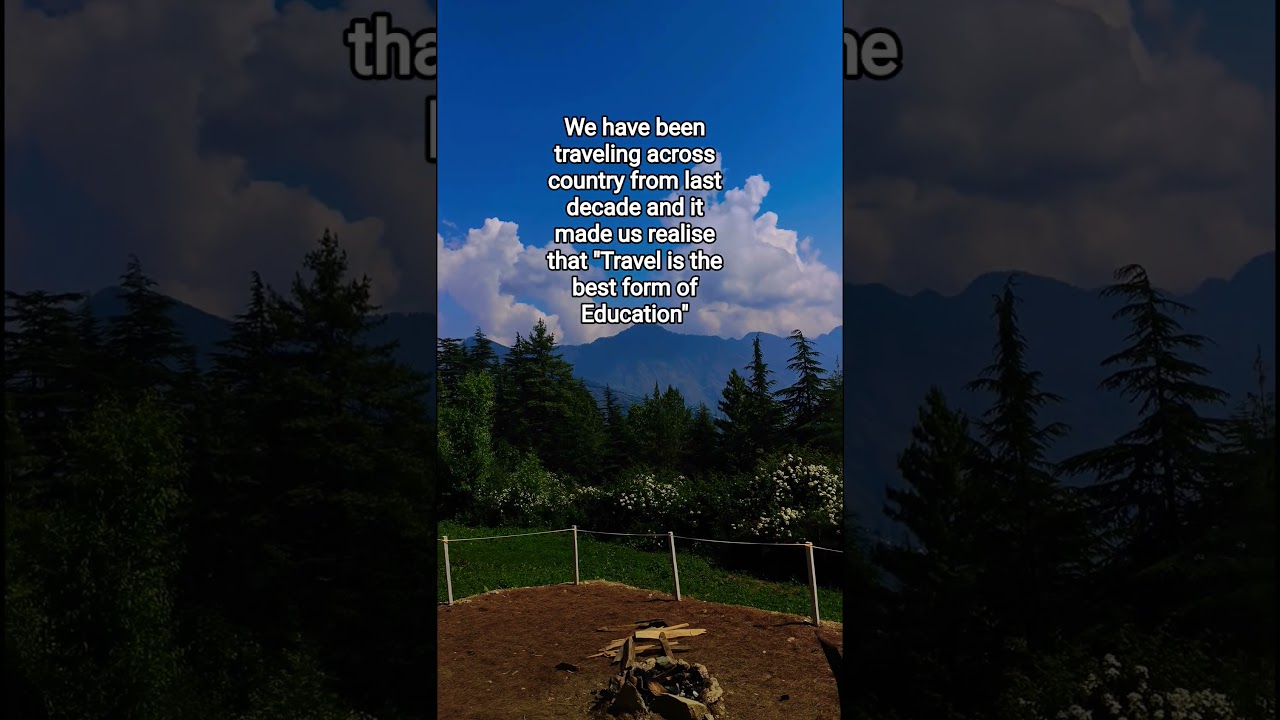
Meeting people from different backgrounds expands your network and worldview. These connections often turn into lifelong friendships or professional opportunities.
Consider the insights you gain just by listening to someone’s story over a shared meal. How can these global connections influence your future choices and broaden your horizons?
Credit: www.youtube.com
Developing Practical Skills
Travel pushes you out of your comfort zone and into real-life situations that demand quick thinking and practical solutions. Developing practical skills through travel doesn’t happen in a classroom; it unfolds as you navigate unfamiliar environments and unexpected challenges. These experiences sharpen your ability to act decisively and grow your confidence in handling day-to-day problems.
Problem Solving On The Go
Travel throws curveballs—missed trains, language barriers, or lost luggage. You learn to assess situations quickly and make decisions with limited information. For example, when my flight was canceled in a foreign country, I had to negotiate with airport staff, find alternative routes, and adjust my plans within hours.
Such moments teach you to stay calm under pressure and think creatively. You also learn to prioritize what’s most important and find practical fixes fast. Can you imagine how these skills could improve your work or personal life?
Enhancing Adaptability
Each place you visit has different customs, weather, and social norms. You adapt by observing and adjusting your behavior. This skill is invaluable because it helps you respond flexibly to change rather than resisting it.
When I traveled through countries with varying climates, I had to quickly learn how to pack smart, dress appropriately, and manage energy levels. This kind of adaptability prepares you for unexpected shifts in any environment. How often do you face new situations where being adaptable would make a difference?
Boosting Communication Skills
Travel forces you to communicate with people who speak different languages or come from diverse backgrounds. You develop non-verbal cues, patience, and clear expression to get your message across.
During a trip to Japan, I had to rely on gestures and simple phrases to ask for directions and order food. This experience made me realize how much you can convey without perfect language skills. Imagine how improving your communication could enhance your relationships and teamwork back home.
Gaining New Perspectives
Travel breaks you free from your everyday environment and drops you into new worlds. This shift challenges how you see things and encourages you to think differently. Gaining new perspectives through travel means opening yourself up to fresh ideas, ways of life, and viewpoints that can change your understanding of the world and yourself.
Challenging Personal Beliefs
When you visit places with cultures different from your own, your personal beliefs can be tested. You might realize that some ideas you held as absolute aren’t universal. I once stayed with a host family in Japan and saw how their approach to community and respect was very different from mine. This made me question my own views on individualism and cooperation.
Ask yourself: Which of your beliefs might need re-evaluation after seeing how others live? This reflection helps you grow and become more thoughtful.
Fostering Open-mindedness
Travel pushes you to listen and understand people whose lives are unlike yours. This experience builds your ability to be open-minded. You learn to accept unfamiliar customs without judgment and appreciate why they exist.
For example, trying street food in a foreign country might surprise you. Instead of sticking to what’s familiar, you learn to enjoy new tastes and experiences. Open-mindedness gained this way makes you more adaptable in everyday life.
Appreciating Diversity
Experiencing different cultures up close helps you appreciate the world’s diversity. You see how traditions, languages, and lifestyles vary widely, and you start to value these differences instead of fearing them.
Imagine walking through a bustling market in Marrakech or celebrating a festival in India. These moments show the beauty of human variety. When you appreciate diversity, you become more respectful and connected to the global community.
Creating Lasting Memories
Travel leaves a mark on your mind that no textbook ever can. The moments you experience on the road, whether a sunrise over a mountain or a conversation with a local, become memories you carry forever. These memories shape how you see the world and yourself, making travel a unique form of education.
Transformative Experiences
Travel pushes you out of your comfort zone and into situations that change your perspective. You might find yourself navigating a busy market in a foreign language or adapting to unfamiliar customs. These experiences challenge your assumptions and help you grow in ways that traditional learning rarely does.
Think about the last time you tried something new while traveling. How did it change your view of that place or even your own abilities? These moments stick with you, creating a deeper understanding of the world.
Building Confidence
When you travel, you face unpredictable challenges that require quick thinking and problem-solving. Whether it’s missing a train or figuring out directions in a new city, each success builds your confidence. You learn to trust your instincts and become more independent.
Imagine arriving in a place where you don’t speak the language. How do you manage? Overcoming such hurdles helps you realize your strength, boosting your self-esteem long after your trip ends.
Inspiring Lifelong Learning
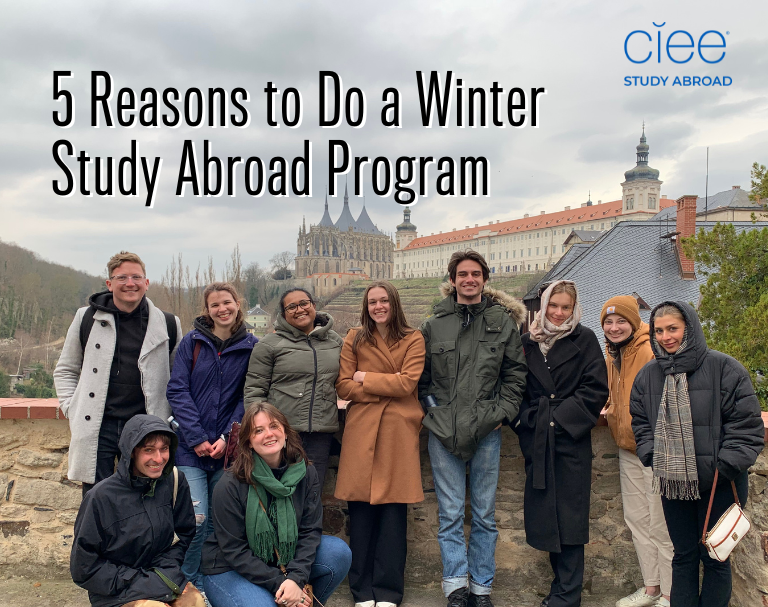
Travel sparks curiosity that lasts a lifetime. Once you’ve tasted new cultures, cuisines, and histories, you’re often eager to learn more. This hunger for knowledge extends beyond travel, encouraging you to read, ask questions, and explore ideas continuously.
Have you noticed how a single trip can ignite a passion for a subject you never considered before? Whether it’s art, language, or history, travel connects you to learning in a personal and meaningful way.
Credit: www.ciee.org
Frequently Asked Questions
What Makes Travel An Effective Educational Experience?
Travel offers real-life lessons in culture, history, and language beyond books or classrooms.
How Does Travel Improve Cultural Understanding?
Visiting new places helps you see different ways of life and respect diverse traditions.
Can Travel Enhance Personal Growth And Skills?
Yes, travel builds confidence, problem-solving, and communication skills through new experiences.
Why Is Travel Better Than Traditional Learning Methods?
Travel teaches through direct experience, making learning memorable and practical.
Conclusion
Travel teaches lessons no classroom can offer. It opens minds to new cultures and ideas. People learn by seeing and experiencing different places. Travel builds confidence and problem-solving skills. It helps understand history and geography better. Meeting new people broadens your view of the world.
These experiences stay with you for a lifetime. Travel makes learning fun and real. It is an education that stays alive long after the trip ends. Choose to explore and grow beyond books.