Last Updated on August 22, 2026
A travel pillow is a compact neck support designed to keep your head aligned and reduce stiffness on the go.
I’ve tested dozens of travel pillows and helped travelers pick the right one for years. This guide explains exactly what a travel pillow is, why it matters, and how to choose one that fits your sleep style, travel habits, and budget. Read on for clear, practical advice, real-life tips, and a step-by-step checklist to confidently answer What Is a Travel Pillow and How to Choose One?.

What is a travel pillow? Clear definition and key features
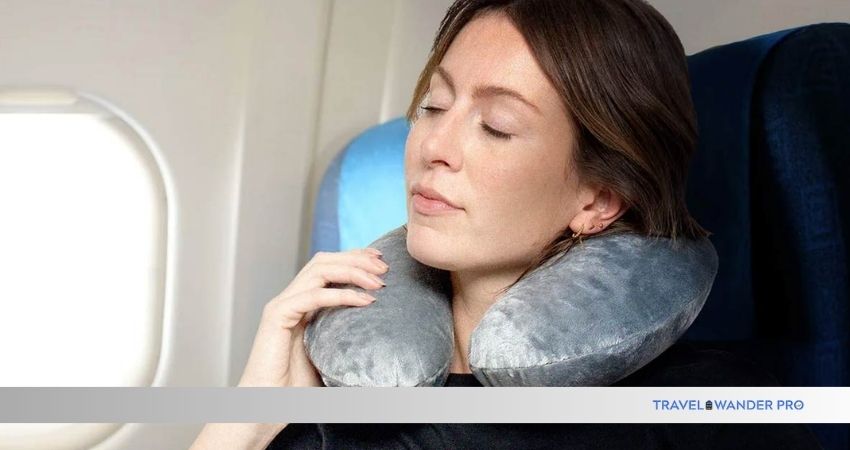
A travel pillow is a small, portable pillow made to support the head and neck during travel. It reduces side-to-side head drop and keeps your cervical spine aligned. Most designs aim to prevent neck strain, improve comfort on planes, trains, buses, and in cars, and collapse or compress for easy packing.
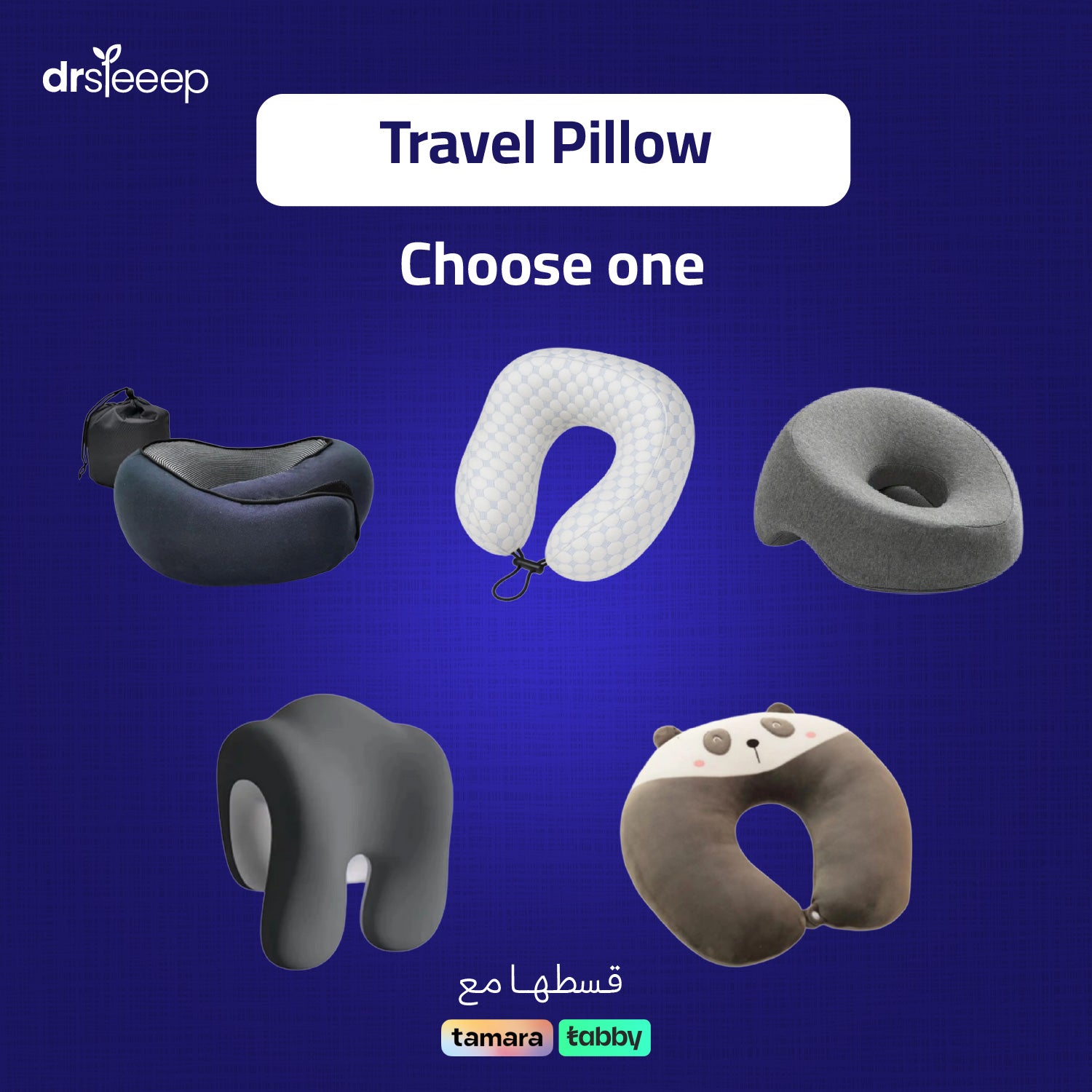
Common features include supportive filling, a washable cover, and a shape that cradles the jaw or chin to limit head tilt. Travel pillows can be inflatable, memory foam, microbead, or wrap-style. Understanding these features helps answer What Is a Travel Pillow and How to Choose One? with clarity.
:max_bytes(150000):strip_icc()/tal-how-to-choose-a-camping-pillow-74037efeefcd4213ab5bbf2b34cdf57a.jpg)
Why use a travel pillow? Benefits and realistic limits
Benefits
• Reduces neck pain by supporting the head and aligning the spine.
• Helps you sleep more easily during long trips.
• Prevents awkward head tilts that cause stiffness and headaches.
• Lightweight options improve packability for minimalists.
Limitations
• No pillow eliminates all discomfort on very cramped seats.
• Inflatable models can lose air and offer inconsistent support.
• Some shapes can feel restrictive or trap heat.
• Not all travel pillows fit every body or every seat type.
Knowing both the benefits and limits makes it easier to judge What Is a Travel Pillow and How to Choose One? for your trips.
Types of travel pillows and how they differ
Memory foam pillows
• Offer contouring support and steady firmness.
• Pros: Comfortable, durable, quiet.
• Cons: Bulkier and can trap heat.
Inflatable pillows
• Compress very small for travel and inflate to use.
• Pros: Ultra-packable, adjustable firmness.
• Cons: Less supportive for long naps and may leak.
Microbead pillows
• Filled with tiny beads for flexible support.
• Pros: Lightweight, molds to shape.
• Cons: Less durable and can feel noisy.
Wrap-style and scarf pillows
• Wrap around the neck and secure in front.
• Pros: Great for active sleepers and hold head forward.
• Cons: Bulky appearance and variable support.
U-shaped pillows (classic)
• Cradle the neck from both sides.
• Pros: Simple and effective for many users.
• Cons: Can allow forward head tilt without chin support.
Wedge and lumbar pillows
• Designed for recline support or lower back comfort.
• Pros: Offers targeted support beyond the neck.
• Cons: Less versatile for true head stabilization.
Understanding types helps when you ask What Is a Travel Pillow and How to Choose One? and pick the right style for your needs.

Materials and fill: what feel and performance to expect
Memory foam
• Slow response and contouring support.
• Good for side and back sleepers who need steady support.
Open-cell foam and gel-infused foam
• Cooler and more breathable than solid memory foam.
• Better if you overheat or travel in warm climates.
Microbeads
• Lightweight and flexible, but may flatten over time.
• Choose if you want low weight and mild support.
Inflatable bladders
• Adjustable firmness and compact storage.
• Look for soft outer covers to avoid discomfort from the bladder.
Natural fibers and down alternatives
• Softer feel and easier to compress.
• Best for short naps and those who prioritize softness.
Knowing materials answers part of the question What Is a Travel Pillow and How to Choose One? by matching feel to your preference.
How to choose a travel pillow: step-by-step checklist
-
Identify your sleep position
• Back sleepers often do well with memory foam U-shaped or contour pillows.
• Side sleepers need more lateral support or a wrap-style pillow.
• Forward sleepers benefit from travel pillows that support the chin or use a lap wedge. -
Decide where you’ll use it
• Plane and train travel favor compact, packable pillows.
• Road trips and long-haul flights may justify bulkier, more supportive models. -
Prioritize support vs. portability
• If you value compact size, choose inflatable or compressible foam.
• If support matters more, choose higher-density foam or a structured contour pillow. -
Check dimensions and weight
• Confirm the pillow fits your carry-on and seat width.
• Heavier foam can be more supportive but less packable. -
Evaluate cover and hygiene
• Removable, machine-washable covers keep your pillow fresh.
• Antimicrobial or quick-dry fabrics are useful for frequent travelers. -
Test firmness and chin support
• Look for a firm base that stops your head from tilting forward.
• Travel pillows with a chin strap or higher front can prevent head drop. -
Consider special needs
• Travel neck pain or prior cervical issues may need orthopedic designs.
• Kids need smaller, gentler support and kid-sized models. -
Set a realistic budget
• Mid-range foam pillows hit the best balance of comfort and cost.
• Inflatable and basic microbead pillows are cheaper but less durable.
Use this checklist when you search What Is a Travel Pillow and How to Choose One? to make a confident pick.

My experiences, mistakes I’ve learned, and practical tips
I once bought a bulky memory foam pillow that felt perfect in a store but was stifling on a hot flight. After testing 20+ models, I learned to check breathability and try a pillow in a plane seat if possible. I now travel with a gel-infused compressible foam pillow and a light inflatable backup.
Practical tips
• Avoid very soft, flat pillows for long flights; they won’t support your neck.
• Bring a small scarf or sweater to add padding where a pillow gaps.
• Consider a pillow with a strap to attach to luggage for easy carrying.
These real-life lessons help you answer What Is a Travel Pillow and How to Choose One? based on tried-and-true practice.
Care, maintenance, and lifespan
Cleaning
• Remove and wash covers regularly per label instructions.
• Spot-clean foam with mild soap and air-dry; avoid soaking memory foam.
Storage
• Store inflatable pillows deflated in a protective pouch.
• Keep foam pillows in a cool, dry place and avoid crushing them under heavy items.
Lifespan
• Memory foam lasts 2–4 years with regular use.
• Inflatable pillows can last longer if valves and seams are intact, but watch for leaks.
• Replace pillows that lose shape or develop permanent odors.
Good care extends the life of your travel pillow and keeps it hygienic for frequent trips.

Common mistakes to avoid when choosing a travel pillow
• Buying only for looks: A cute cover does not mean good neck support.
• Choosing the smallest option: Ultra-compact can mean inadequate support.
• Ignoring return policies: You may need to test a pillow and return it if it fails.
• Skipping hygiene checks: Non-washable covers can trap sweat and grime.
• Overpacking with bulky options for short trips: Match pillow size to trip length.
Avoiding these mistakes makes the process of What Is a Travel Pillow and How to Choose One? much simpler.

Related concepts and travel ergonomics
Ergonomic support
• Travel pillows are one part of ergonomic travel gear that includes lumbar support, seat posture, and foot position.
Cervical alignment
• A good travel pillow keeps your neck neutral. Neutral alignment reduces muscle strain and morning stiffness.
Travel sleep hygiene
• Combine a comfy pillow with eye masks, earplugs, and hydration to improve nap quality.
Thinking beyond just the pillow gives a fuller answer to What Is a Travel Pillow and How to Choose One?.
People also ask (PAA-style questions)
How do I know which travel pillow is best for me?
Look at your usual sleep position and travel style. Test firmness, check packability, and choose a washable cover.
Can a travel pillow prevent neck pain?
A supportive travel pillow can reduce neck strain by keeping your head aligned. It helps most for short naps and moderate stiffness.
Is memory foam better than inflatable?
Memory foam offers more steady support but is bulkier. Inflatable is packable and adjustable but may offer less long-term support.
Frequently Asked Questions of What Is a Travel Pillow and How to Choose One?
What is the best travel pillow for long flights?
A high-density memory foam pillow with contouring support is best for long flights because it offers steady neck alignment and comfort.
Are inflatable travel pillows comfortable?
Inflatable travel pillows are comfortable for short naps and are very packable, but they may not provide enough support for long sleep periods.
How do I clean my travel pillow?
Remove and machine-wash the cover when possible; spot-clean foam and air-dry it. Always follow the care label.
Can a travel pillow fit in a carry-on?
Most travel pillows compress or deflate to fit inside a carry-on or attach to the outside of luggage with a strap.
How often should I replace my travel pillow?
Replace foam pillows every 2–4 years or sooner if they lose shape, develop odors, or cause discomfort.
Conclusion
A travel pillow is a compact support tool that improves neck alignment and comfort on the move. To choose well, match the pillow type, material, and size to your sleep position, travel habits, and hygiene needs. Use the checklist, avoid common mistakes, and test for breathability and chin support before buying. Try one of the recommended styles on your next trip and note the difference in how you arrive. If this guide helped, leave a comment with your travel pillow experiences or subscribe for more practical travel tips — and take the next trip with smarter neck support.