Last Updated on June 9, 2026 by Ethan Miles
Have you ever felt stuck in a rut, facing personal challenges that seem insurmountable? You’re not alone.
Life throws curveballs at all of us, but there’s a powerful way to tackle them that you might not have considered: travel. Imagine stepping off a plane in a new country, the air filled with unfamiliar sounds and scents. Your senses come alive, and suddenly, those problems back home seem a little less daunting.
Travel doesn’t just change your location; it transforms your perspective. By the end of this article, you’ll discover how venturing out of your comfort zone can help you overcome personal challenges. You’ll learn how to use travel as a tool for personal growth and resilience. Are you ready to explore the world and, in the process, discover a stronger, more empowered version of yourself? Let’s dive in.
Choosing The Right Destinations
Choosing the right destination plays a crucial role in how travel can help you overcome personal challenges. The place you visit can either push you forward or hold you back. Picking a destination that aligns with your emotional needs and growth goals ensures your journey becomes a meaningful step toward healing or self-discovery.
Finding Places That Inspire Growth
Look for destinations that encourage reflection and learning. Quiet mountain towns, cultural hubs, or nature retreats can offer new perspectives. Think about what kind of environment makes you feel open and curious.
When I visited a small village known for its art and community workshops, I felt inspired to try painting again after years of doubt. That experience sparked a new hobby and boosted my confidence. What place could help you reconnect with a part of yourself that’s been dormant?
Considering Safety And Comfort
Your well-being matters most when facing personal challenges. Choose destinations where you feel secure and cared for. This doesn’t mean avoiding all risks, but balancing excitement with a sense of safety.
Research local health facilities, cultural norms, and travel advisories before booking your trip. For example, staying in a well-reviewed guesthouse or near medical services can ease anxiety. Are you prepared to handle unexpected situations away from home?
Balancing Adventure And Relaxation
Too much thrill can be overwhelming; too much rest might leave you stagnant. Aim for a mix of activities that push your limits gently and moments that allow you to recharge.
- Try hiking in the morning and relaxing at a spa in the afternoon.
- Attend local events but also schedule quiet time to journal or meditate.
- Engage with locals to gain fresh insights, then retreat to peaceful surroundings.
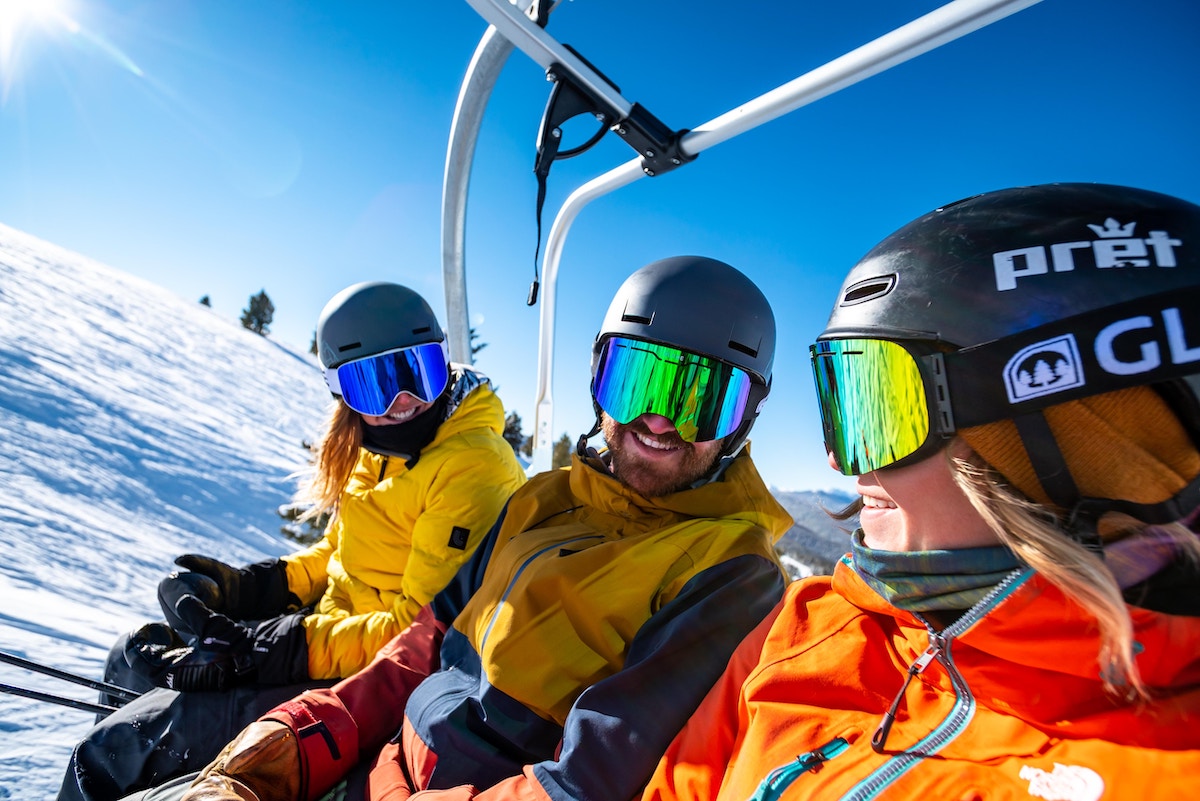
During a trip to the coast, I combined surfing lessons with long beach walks at sunset. This blend helped me face fears and find calm in the same day. What balance will help you grow without feeling overwhelmed?
Credit: frayedpassport.com
Embracing New Experiences
Embracing new experiences through travel allows personal growth beyond limits. It breaks routine and builds resilience. Every unfamiliar moment holds a chance to learn and adapt.
Travel challenges comfort zones and creates space for transformation. It invites curiosity and opens minds to diverse ways of living. Facing the unknown can boost self-awareness and confidence.
Stepping Out Of Your Comfort Zone
Travel pushes boundaries gently. Trying new foods, navigating different transport, or staying in unique places stretches comfort zones. These small acts spark courage and reduce fear of change.
Each step outside comfort grows mental strength. It helps overcome anxiety and self-doubt. New environments teach flexibility and problem-solving skills.
Engaging With Local Cultures
Connecting with locals enriches travel experiences deeply. Simple conversations reveal stories and traditions. Respect and openness foster meaningful bonds.
Understanding diverse cultures broadens perspectives. It encourages empathy and reduces judgment. This connection builds a sense of belonging anywhere in the world.
Trying Activities That Build Confidence
Adventure activities like hiking, diving, or cooking classes boost confidence. Learning new skills empowers and excites. Success in unfamiliar tasks strengthens self-belief.
These challenges prove personal limits are flexible. They inspire taking risks back home. The thrill of accomplishment fuels ongoing growth.
Building Resilience Through Travel
Travel challenges the mind and spirit. It pushes people beyond their comfort zones. This builds resilience, a vital life skill. Resilience helps face difficulties with strength and calm. Traveling offers unique situations to practice this skill daily.
Each trip brings new experiences. Travelers learn to handle stress and unexpected events. This constant practice strengthens mental toughness. It also improves the ability to recover quickly from setbacks. The journey itself becomes a training ground for resilience.
Overcoming Unexpected Challenges
Travel often involves surprises. Flights may be delayed, or plans may change suddenly. These moments test patience and calmness. Facing such challenges teaches how to stay positive. It also shows how to find solutions under pressure. Travelers become more confident dealing with life’s uncertainties.
Developing Problem-solving Skills
Travel requires quick thinking and decision-making. Finding directions, handling lost luggage, or managing budgets demands problem-solving. These tasks sharpen the mind and boost creativity. Travelers learn to analyze situations and choose the best options. This skill transfers to everyday challenges, improving overall confidence.
Learning Adaptability On The Road
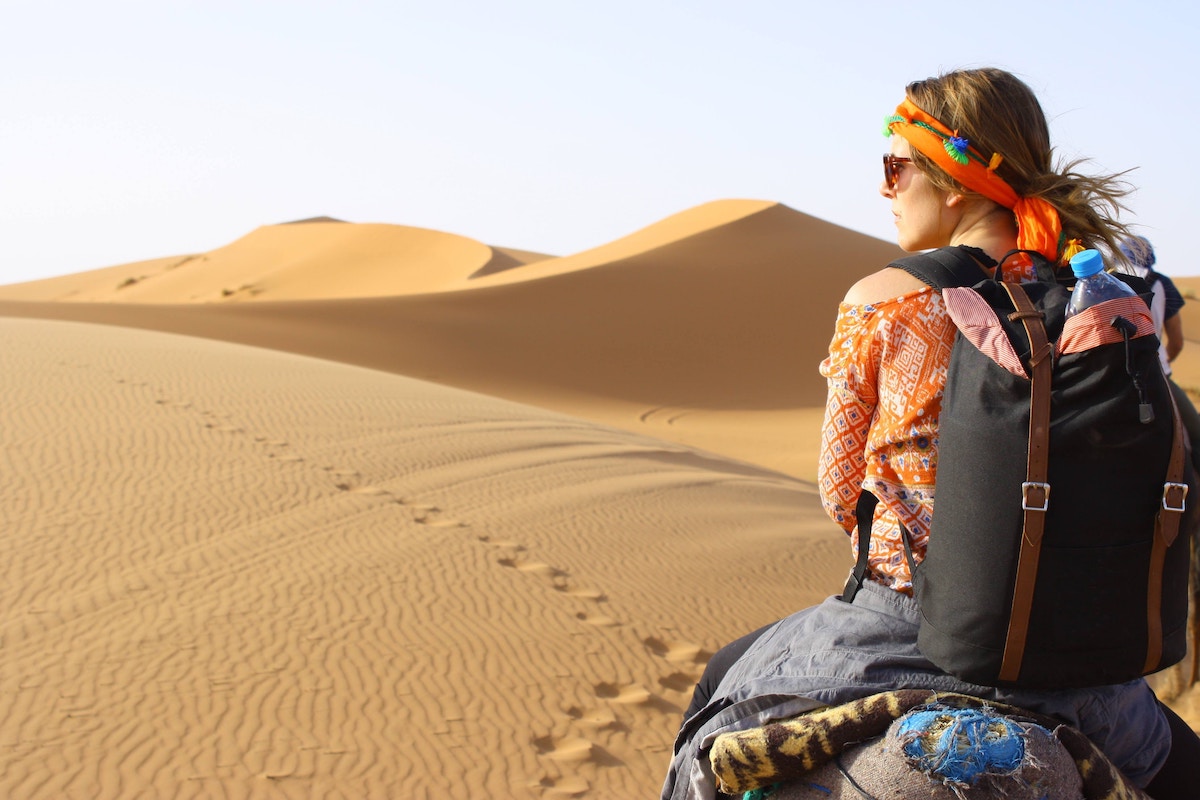
Travel exposes people to new cultures and environments. Adapting to different customs and routines builds flexibility. This adaptability helps handle change better in life. Travelers become open to new ideas and ways of living. The ability to adjust quickly reduces stress in unfamiliar situations.
Credit: frayedpassport.com
Reflecting And Integrating Lessons
Travel often pushes you out of your comfort zone, making it a powerful tool for personal growth. But the real change happens when you take time to reflect on what you experienced and apply those lessons to your everyday life. Reflection helps you understand your challenges better and see new paths forward.
Journaling And Self-reflection
Writing down your thoughts during and after travel can reveal patterns you might miss otherwise. Try to capture your emotions, challenges, and breakthroughs as they happen. This habit helps you track progress and notice how certain experiences shift your mindset.
Ask yourself questions like: What did I learn about my fears? How did I handle unexpected situations? What surprised me the most? These reflections can deepen your self-awareness and clarify your next steps.
Setting Personal Goals Post-travel
Once you’ve reflected, use those insights to set clear, achievable goals. Maybe traveling taught you to be more patient or open to change—how can you practice that daily? Write down specific actions, such as dedicating time to mindfulness or trying new social activities.
Setting goals keeps the momentum going and turns abstract lessons into practical habits. What small change can you commit to this week that honors what you discovered on your journey?
Maintaining Growth In Daily Life
Integrating travel lessons requires consistency. Build routines that remind you of your growth, like weekly journaling or regular check-ins with a friend who supports your progress. These practices help prevent slipping back into old patterns.
Think about the last time you felt stuck—could a travel insight have helped you move forward? Keep those lessons alive by revisiting your reflections and adjusting your goals as you evolve.

Credit: www.shedreamsofalpine.com
Frequently Asked Questions
How Can Travel Help Overcome Personal Challenges?
Travel offers new perspectives and breaks daily routines, helping people see problems differently and find solutions.
What Types Of Travel Best Support Personal Growth?
Solo trips and cultural exchanges encourage self-reflection and build confidence through new experiences.
How Does Travel Reduce Stress And Improve Mental Health?
Changing surroundings and trying new activities help relax the mind and reduce anxiety.
Can Travel Improve Problem-solving Skills?
Yes, facing unexpected situations during travel teaches flexibility and creative thinking for challenges.
Conclusion
Travel helps you see problems in a new way. It gives space to think and feel calm. Meeting new people builds strength and hope. Challenges feel smaller when you explore new places. Each trip teaches something about yourself. Keep traveling to grow and find peace.
Small steps lead to big changes. Your journey can heal and inspire you. Keep moving forward, one trip at a time.