Last Updated on August 22, 2026
Choose a compact, durable organizer with compartments that match your travel habits.
As a long-time traveler and product reviewer, I’ve tested dozens of bags and pouches. I will show you how to choose the right travel organizer by focusing on fit, function, and durability so your next trip is calm and efficient. Read on for clear steps, real tips, and mistakes to avoid.
Why a Travel Organizer Matters
A good travel organizer saves time at airports and keeps gear safe on the road. It reduces stress by making essentials easy to find. Learning how to choose the right travel organizer helps you avoid overpacking and losing small items.
Travel organizers protect electronics, documents, and toiletries. They keep liquids from leaking and cords from tangling. For frequent flyers, a smart organizer is a game changer for efficiency and peace of mind.
Types of Travel Organizers
Knowing types helps you match a product to your trip. Here are common styles and their uses.
-
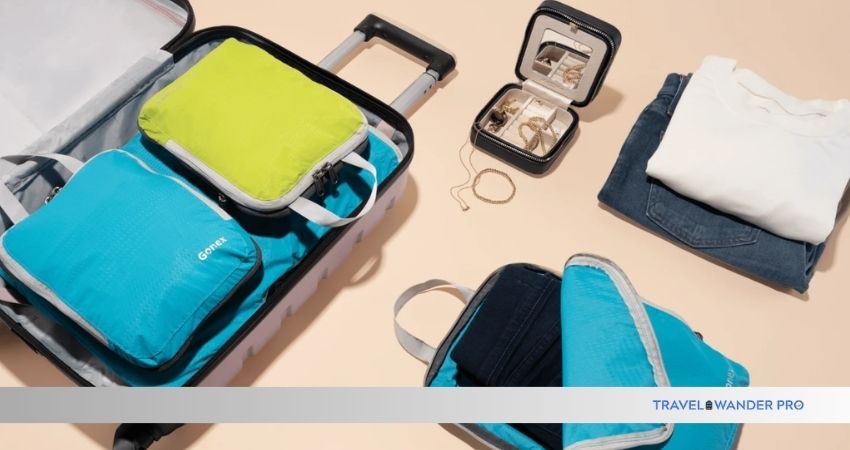
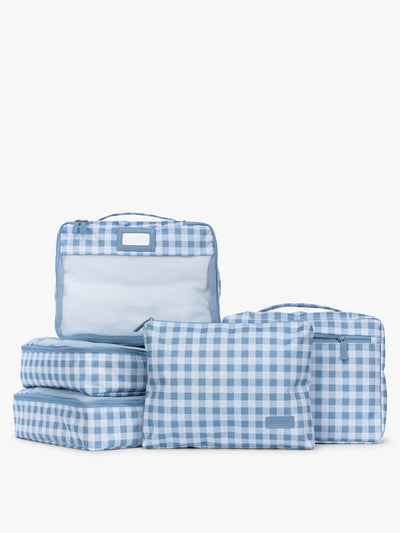
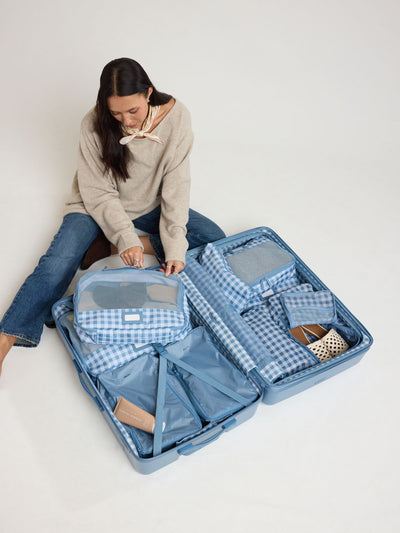
Packing cubes
Great for clothes. They compress and keep outfits separate. -
Toiletry kits
Designed for liquids and daily grooming items. Often leak-proof. -
Tech organizers
Hold chargers, cables, and small devices in elastic loops and pockets. -
Document wallets
Fit passports, boarding passes, and travel cards. Useful for international trips. -
Jewelry organizers
Protect necklaces and earrings in soft compartments. -
Shoe bags and laundry sacks
Keep dirty items separate from clean clothes.
Each type answers different needs. When you think about how to choose the right travel organizer, match the organizer type to what you carry.
Key Features to Consider When Choosing
Focus on core features. These features determine real-world usefulness.
-
Capacity and size
Buy an organizer that fits your luggage and trip length. Too big adds clutter; too small wastes space. -
Compartments and layout
Look for varied pockets and removable dividers. Clear organization prevents digging and overpacking. -
Material and water resistance
Choose nylon, ripstop, or coated fabrics for durability. Waterproof lining helps with spills. -
Closure types
Zippers must be smooth and durable. Magnetic or snap closures add quick access. -
Weight and packability
Lightweight organizers reduce overall weight. Some fold flat when not in use. -
Security features
Lockable zippers or RFID-blocking pockets protect valuables on long trips. -
Visibility and accessibility
Mesh panels or clear pockets let you spot items fast.
Pay attention to these features when learning how to choose the right travel organizer so it matches your routine and gear.

Quick PAA-style Questions
Q: What size organizer for a week-long trip?
A: Choose medium packing cubes plus a small toiletry kit. That combo fits a carry-on.
Q: Are clear pockets better than mesh?
A: Clear pockets let you see items at a glance. Mesh breathes better for damp gear.
Q: Is RFID really needed?
A: RFID helps protect some cards, but smart wallets and vigilance are more important.
Step-by-Step Guide: How to Choose the Right Travel Organizer
Follow steps to avoid buyer’s regret. I use this checklist before every purchase.
-
List what you carry
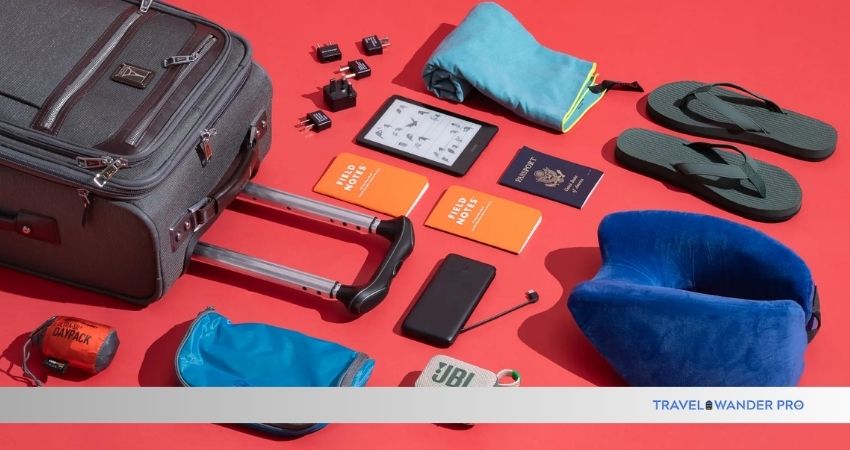
Write down items you bring on a normal trip. Include chargers, meds, and cosmetics. -
Match items to organizer type
Group items by use: tech, toiletries, clothes. Choose an organizer for each group. -
Measure space
Measure the luggage or backpack where the organizer will live. Check dimensions before buying. -
Check materials and zippers
Inspect fabric weight and zipper quality in reviews or product photos. Look for two-way zippers on larger organizers. -
Read real user reviews
Look for comments on durability and real-world use. Pay attention to repeated issues. -
Test at home
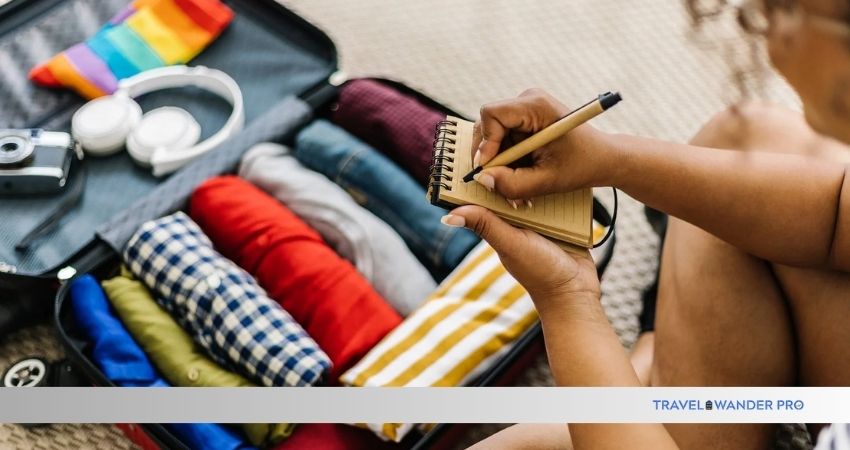
Pack the organizer with your items at home. See how it fits and how easy it is to open. -
Balance cost and longevity
Spend more for items you use daily. Save on organizers you’ll use rarely.
I’ve found that testing at home reveals fit issues before a trip. This saves time and stress.
Materials, Durability, and Care
Material choice affects lifespan and performance. Here’s what to know.
-
Nylon and polyester
Lightweight and water-resistant. Cheap options may fade or fray. -
Ripstop fabric
Strong and tear-resistant. Good for heavy use. -
Coated fabrics
PU or TPU coatings add waterproofing. Great for toiletry kits. -
Leather and canvas
Stylish and durable, but heavier and need more care.
Care tips
- Wipe spills quickly.
- Air out wet items before folding.
- Hand wash delicate organizers and air dry.
Treat zippers gently to extend life.
When you think about how to choose the right travel organizer, pick a material that matches trip conditions and maintenance willingness.
Size, Packing Tips, and Organization Strategies
Smart packing makes a small organizer perform like a big one. Use these tactics.
-
Use layered organization
Place small items in pouches inside a larger organizer. This keeps related items together. -
Roll clothes in packing cubes
Rolling saves space and reduces wrinkles. -
Use color coding
Assign colors for electronics, toiletries, and clothes to find things fast. -
Keep liquids in a clear bag
For security checks, keep liquids together and reachable. -
Prioritize front pockets
Store travel documents where they are easy to reach.
I once missed a flight because my passport was buried in a sweater. After that trip, I always use a slim document wallet. Small habits cut travel stress.

Budget, Brands, and Where to Buy
Decide how much you’ll use the organizer. Here’s a simple buying guide.
-
Under $25
Good for light use or one-off trips. Watch for thin zippers and flimsy seams. -
$25–$60
Best value range. Expect durable zippers and better fabrics. -
$60+
Premium materials, lifetime warranties, and brand reliability.
Brands can matter for warranty and build quality. Buy from retailers with easy return policies. Read reviews and check warranty terms before purchase.
Mistakes to Avoid and Final Tips
Learn from experience to avoid common errors.
-
Buying by looks alone
A pretty bag may fail under stress. Prioritize function first. -
Ignoring dimensions
If it doesn’t fit your luggage, it’s useless. Measure before buying. -
Overbuying organizers
Too many pouches add complexity. Keep it simple. -
Neglecting security
For international travel, use organizers with lockable zippers or RFID pockets.
My best tip: buy one versatile organizer that you test on a short trip. If it holds up, buy more of the same style for easier packing.
Frequently Asked Questions of How to Choose the Right Travel Organizer
What size travel organizer should I buy for carry-on only trips?
Choose compact organizers that fit your carry-on dimensions. Medium packing cubes and a small tech pouch usually work well.
How do I keep liquids from leaking inside a toiletry organizer?
Use a waterproof-lined toiletry bag and double-bag liquids in resealable plastic bags. Clean spills immediately to protect other items.
Can I use one organizer for both tech and toiletries?
It’s possible, but not ideal. Tech and liquids mix poorly; separate organizers reduce risk and improve access.
How often should I replace a travel organizer?
Replace when zippers fail, seams open, or water resistance fades. With regular use, expect 2–5 years depending on quality.
Are clear or mesh pockets better for travel organizers?
Clear pockets make items visible and quick to find. Mesh pockets allow airflow and dry faster after spills.
Conclusion
Choosing the right travel organizer comes down to matching the organizer to your items, travel style, and luggage. Focus on fit, compartments, material, and real-world testing. Start small: pack a trial kit, note what works, and refine your choices over time. Try one change on your next trip, and you’ll feel the difference—then share what worked or ask questions below.