
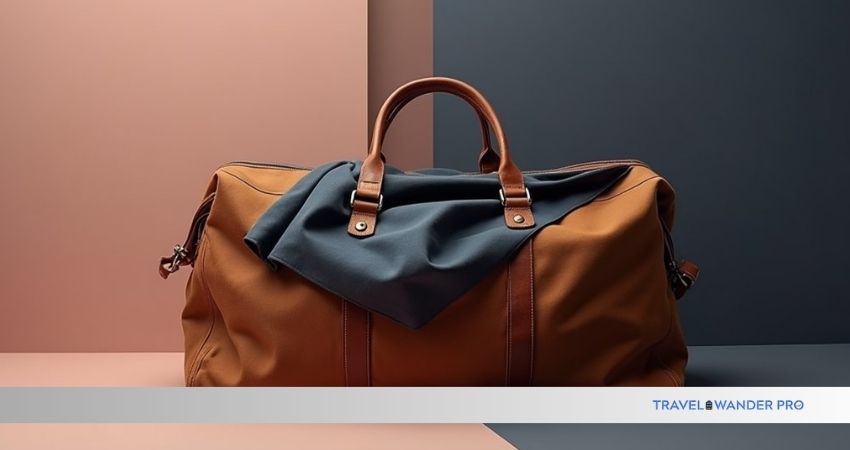
Specialty travel bags are purpose-built luggage designed for specific gear, activities, and travelers.
I have planned trips for work, adventure, and family, and I know how the right bag changes a trip. This guide explains what specialty travel bags are, who needs them, and how to pick one. I combine hands-on experience, product knowledge, and practical tips so you can choose the best bag for your next journey.

What Are Specialty Travel Bags?
Specialty travel bags are luggage made for a clear purpose. They fit a narrow need better than general suitcases or backpacks.
These bags serve tasks such as carrying camera gear, protecting musical instruments, storing wet dive suits, or organizing medical supplies. A specialty travel bag focuses on shape, padding, compartments, or materials that match one activity or set of items.
Specialty travel bags differ from general travel bags by design. They limit wasted space and improve access and protection for specific gear. Knowing this helps you match one to your trip needs.
Who Needs Specialty Travel Bags?
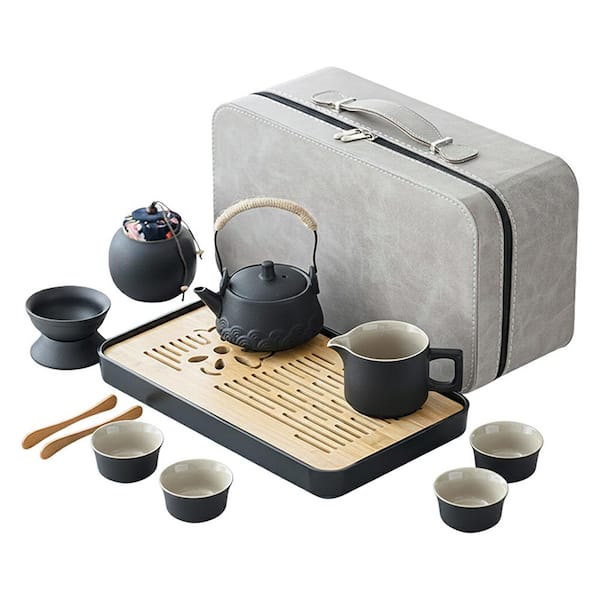
You need a specialty travel bag when standard luggage harms your gear, slows you down, or creates risk. Many travelers do.
People who often choose specialty travel bags include:
- Photographers who carry cameras, lenses, and tripods.
- Musicians who transport fragile instruments.
- Divers who need wet/dry separation and gear ventilation.
- Outdoor athletes with climbing, skiing, or bike gear.
- Medical professionals who carry temperature-sensitive supplies or kit.
- Business pros with tech and portable studio or demo gear.
I’ve used specialty travel bags for studio tools and mountain trips. A padded camera bag saved expensive lenses from impact. A ski boot bag kept my boots dry and the car clean. Those wins show why the right bag matters.

Types and Key Features of Specialty Travel Bags
Specialty travel bags come in many styles. Each type has design features that meet certain needs.
Common types and what they offer:
- Camera bags
- Thick padding, modular inserts, quick access panels.
- Instrument cases
- Rigid shells, suspension mounts, humidity control options.
- Dive and wetsuit bags
- Drainage, waterproof liners, ventilated panels.
- Bike and ski bags
- Reinforced frames, wheel pockets, padding at key points.
- Medical and first-aid bags
- Organized compartments, easy-clean interiors, cold packs.
- Tech and gadget bags
- Cable organizers, padded laptop sleeves, anti-shock foam.
- Courier and messenger packs for urban pros
- Quick access, laptop protection, ergonomic strap systems.
Key design features to watch:
- Padding and structure to protect gear.
- Modular inserts or dividers for custom fit.
- Water resistance or waterproofing for wet environments.
- Ventilation and drainage for damp equipment.
- Lockable zippers and secure straps for safety.
- Weight and packability for travel needs.
I once tested a camera bag with modular foam. It cut set-up time in half on shoots. Small features like side access and strap loops make a big trip difference.
Benefits and Limitations
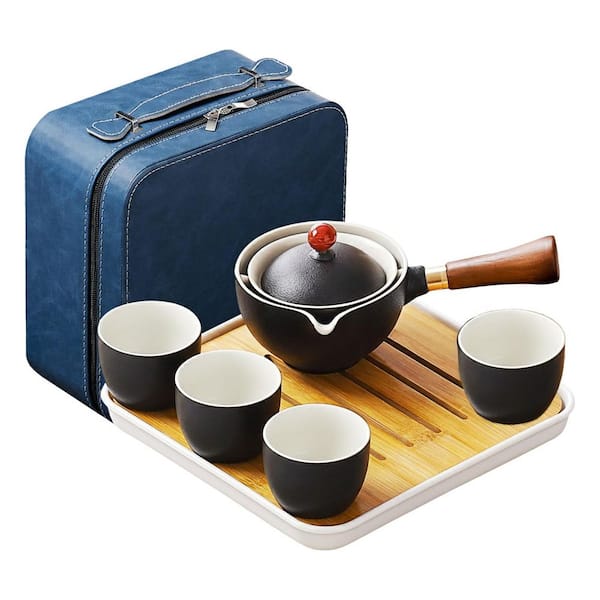
Specialty travel bags bring clear gains. They also come with trade-offs.
Benefits
- Protection
- Gear stays safe from drops, moisture, and crushing.
- Efficiency
- Faster packing and gear retrieval save time on trips.
- Longevity
- Gear lasts longer when stored properly.
- Better organization
* Less stress and fewer mistakes when you find what you need.
Limitations
- Less versatile
- A specialty bag may be poor for general travel items.
- Size and weight
- Heavy protection can add weight or bulk.
- Cost
- High-quality specialty bags can be pricey.
- One-trick risk
- If your needs change, the bag may sit unused.
In my trips, a heavy duty bag paid off by protecting gear and avoiding costly repairs. But I also kept a lighter pack for casual travel. That balance worked well.
How to Choose the Right Specialty Travel Bag
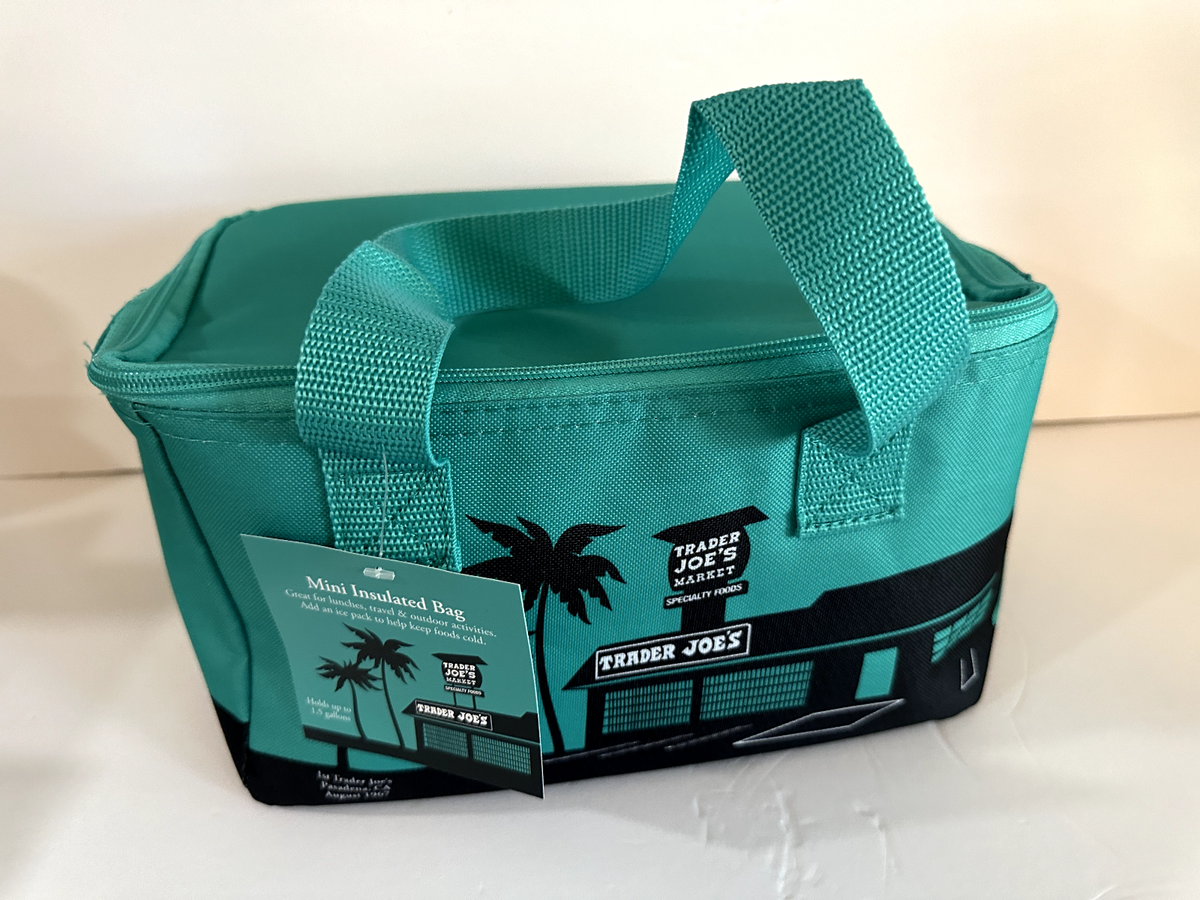
Choose with your gear, travel style, and limits in mind. Follow these steps.
- List what you carry
- Note dimensions, fragility, and any special needs like temperature control.
- Match form to function
- Pick bags with padding for fragile items and ventilation for wet gear.
- Test for fit and comfort
- Try on straps and test carry positions with weight.
- Check materials and hardware
- Look for water-resistant fabrics, sturdy zippers, and reinforced seams.
- Evaluate airline or transport rules
- Ensure size meets check-in or carry-on limits if you fly.
- Think long term
- Durable bags cost more up front but often save money over time.
Practical tips from my experience:
- Measure your biggest item before buying.
- Use foam inserts or dividers for odd shapes.
- Add luggage tags and ID windows to specialty bags for quick returns if lost.
- Buy a repair kit or spare straps for long trips.

People Also Ask
Do specialty travel bags save money over time?
Yes. They protect gear and reduce repair or replacement costs, often paying for themselves across a few trips.
Can I use a specialty bag for regular travel?
Sometimes. Some specialty bags are versatile, but many are optimized for one purpose and are bulky for general use.
Are specialty travel bags allowed as carry-on luggage?
It depends on airline rules and bag size. Check dimensions and policy before you travel.

Frequently Asked Questions of What Are Specialty Travel Bags and Who Needs Them?
What makes a travel bag “specialty”?
A specialty travel bag is designed for specific gear or activities, like cameras, instruments, or wetsuits, focusing on protection and organization.
How do I know if I need a specialty travel bag?
If your gear is fragile, wet, or oddly shaped, a specialty bag will reduce damage risk and make transport easier.
Are specialty travel bags more expensive?
They often cost more due to specialized materials and construction, but they can save money by protecting valuable gear.
Can specialty bags be checked on airplanes?
Many specialty bags can be checked, but you should confirm airline size and handling policies first to avoid damage or extra fees.
How should I pack a specialty travel bag for long trips?
Use modular dividers, secure loose items, add padding around fragile parts, and label compartments for quick access.
Do specialty travel bags add weight to my trip?
Some do because of padding and hard shells. Choose the level of protection you need to balance safety and weight.
Where can I test specialty travel bags before buying?
Try outdoor stores, music shops, or camera retailers that let you fit your gear and test carry comfort.
Conclusion
Specialty travel bags solve real travel problems. They protect gear, speed packing, and cut risk on trips. If you carry fragile or job-critical items, a specialty travel bag is often worth the cost.
Takeaway: match the bag to the gear and the trip. Start by listing needs, testing fit, and checking transport rules. If this guide helped, try one small test: measure your gear, then shop or try on a bag that fits those exact items. Share your experience, subscribe, or leave a comment about the specialty travel bag you use.
